

7 Heat Pump Maintenance Tips for Year-Round Efficiency
By Debbie Myers | February 4, 2026
An efficient heat pump plays a critical role in maintaining indoor comfort throughout the year, especially as temperatures shift between seasons. Heating systems that operate smoothly help maintain steady indoor conditions, reduce unexpected breakdowns, and support consistent energy use. When maintenance is handled proactively, heat pumps are better positioned to deliver reliable performance during periods of extended demand. Homeowners who work with an HVAC company often experience fewer comfort disruptions because routine service helps address wear before it affects daily living.
Long-term system care also influences operating costs and equipment longevity. A heat pump that receives regular attention is less likely to experience sudden efficiency loss, uneven heating, or unnecessary strain on internal components. These benefits become more noticeable over time, particularly during colder months when heating systems work harder and longer. With maintenance playing such an important role in comfort and system performance, understanding the most effective care practices is the natural place to begin.
1. Maintain Regular Inspection and Cleaning
Routine inspection remains one of the most effective ways to preserve heat pump efficiency. Air filters should be reviewed regularly, as restricted airflow forces the system to work harder to maintain set temperatures. This added strain can increase energy usage and affect overall comfort. An HVAC company performing scheduled evaluations can identify these issues early, helping reduce unnecessary wear and supporting stable heating output during colder periods.
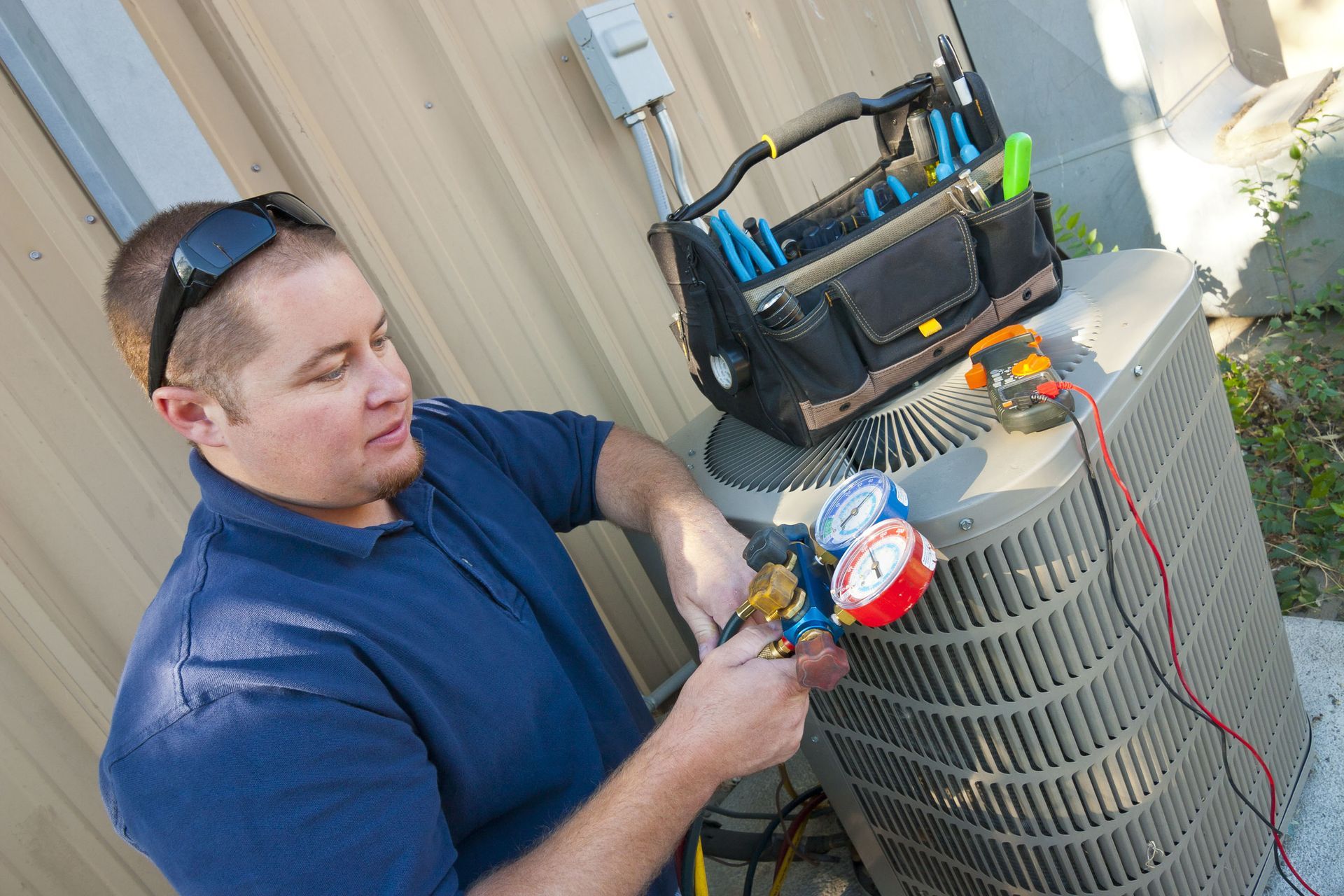
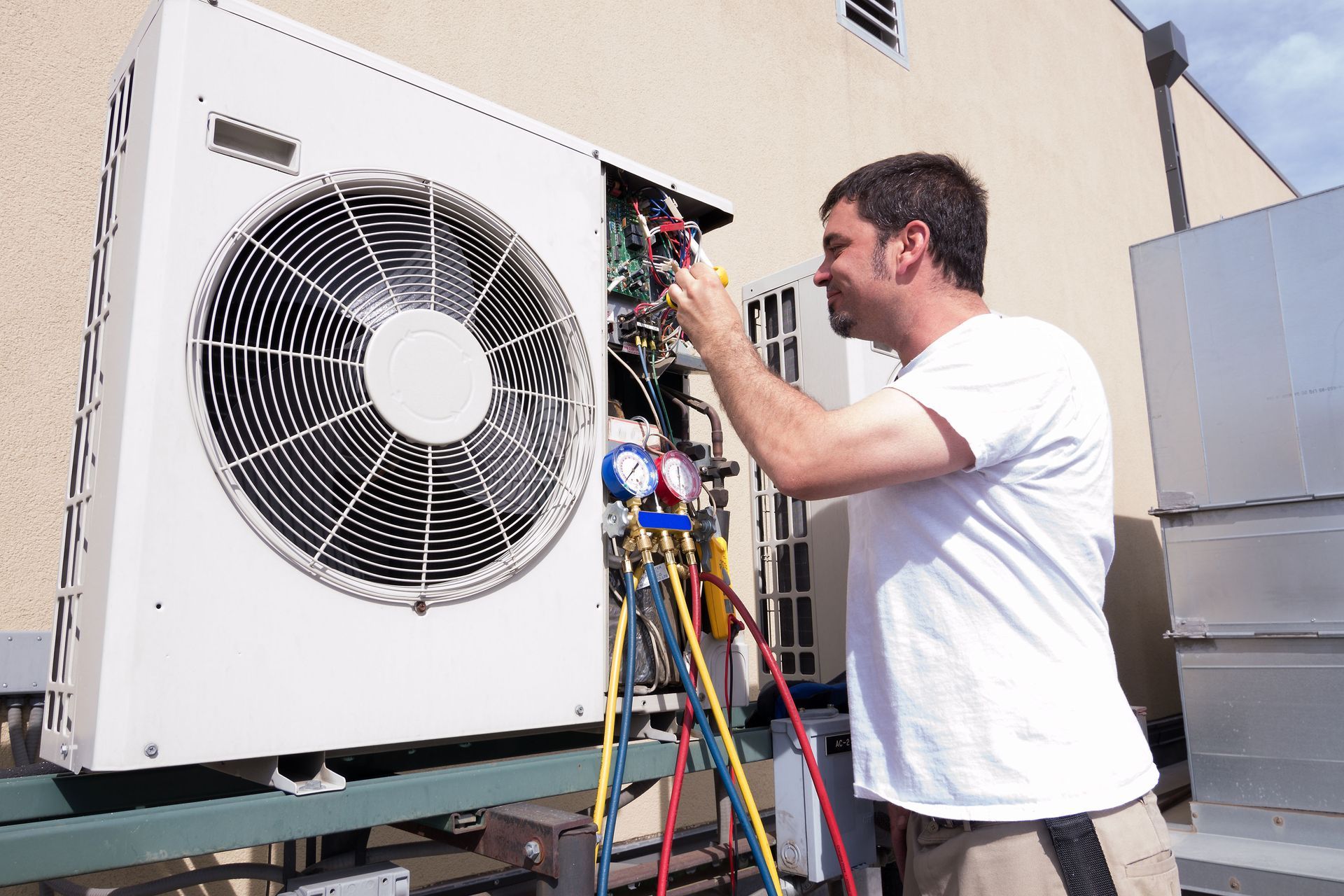
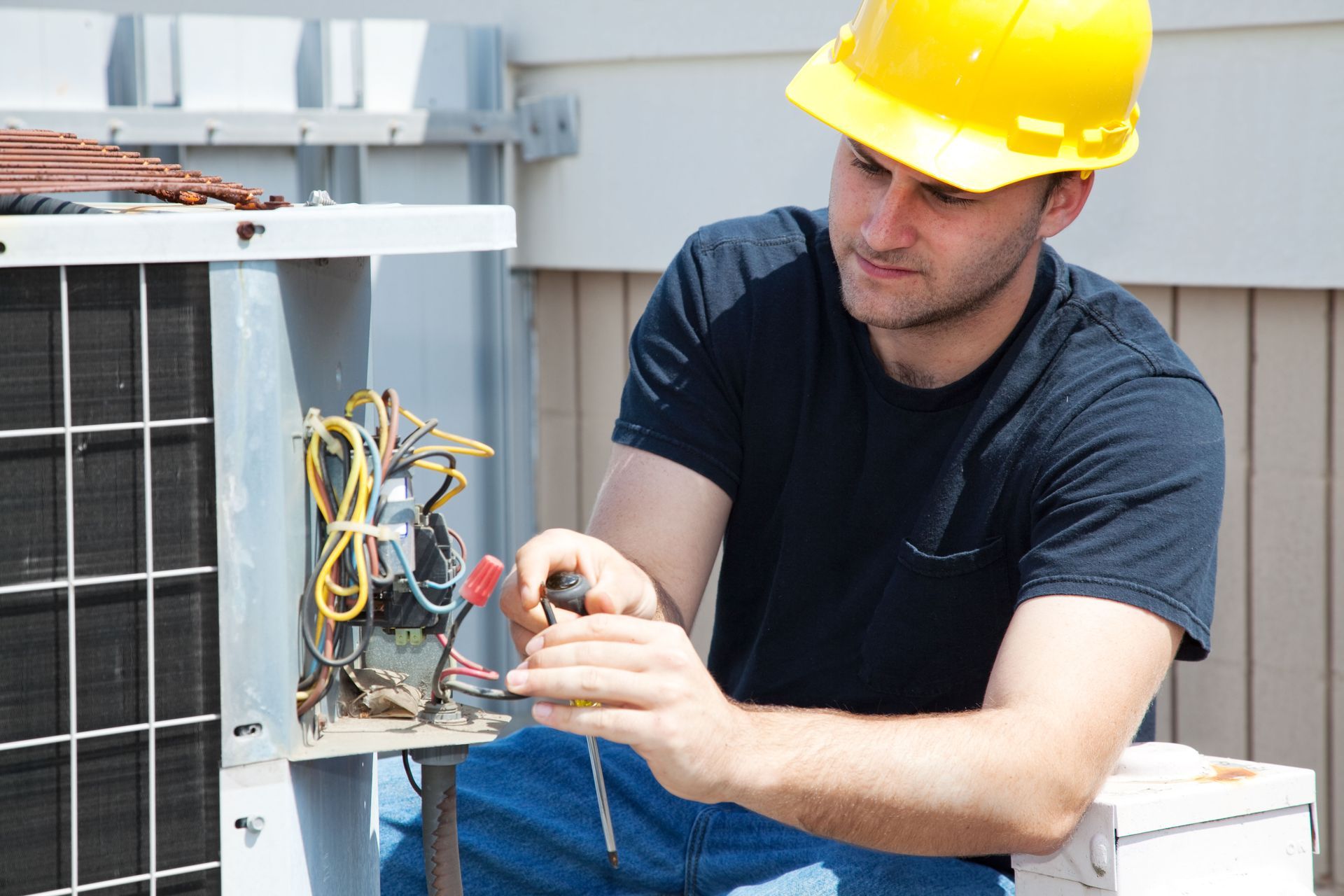
Professional servicing also plays an important role in system reliability. According to Today's Homeowner, heat pumps benefit from professional attention once or twice per year, allowing technicians to assess performance, electrical connections, and internal components. These visits help confirm the system is operating within expected ranges and prevent small concerns from becoming larger disruptions that affect comfort.
Beyond filters and diagnostics, coils and drain lines require consistent attention. Dirt buildup on coils interferes with heat transfer, while blocked drain lines can cause moisture-related inefficiencies. Keeping these components clear supports stable heating output and contributes to consistent indoor temperatures during colder months, especially when systems operate for extended periods.
2. Adjust Seasonal Settings With Care
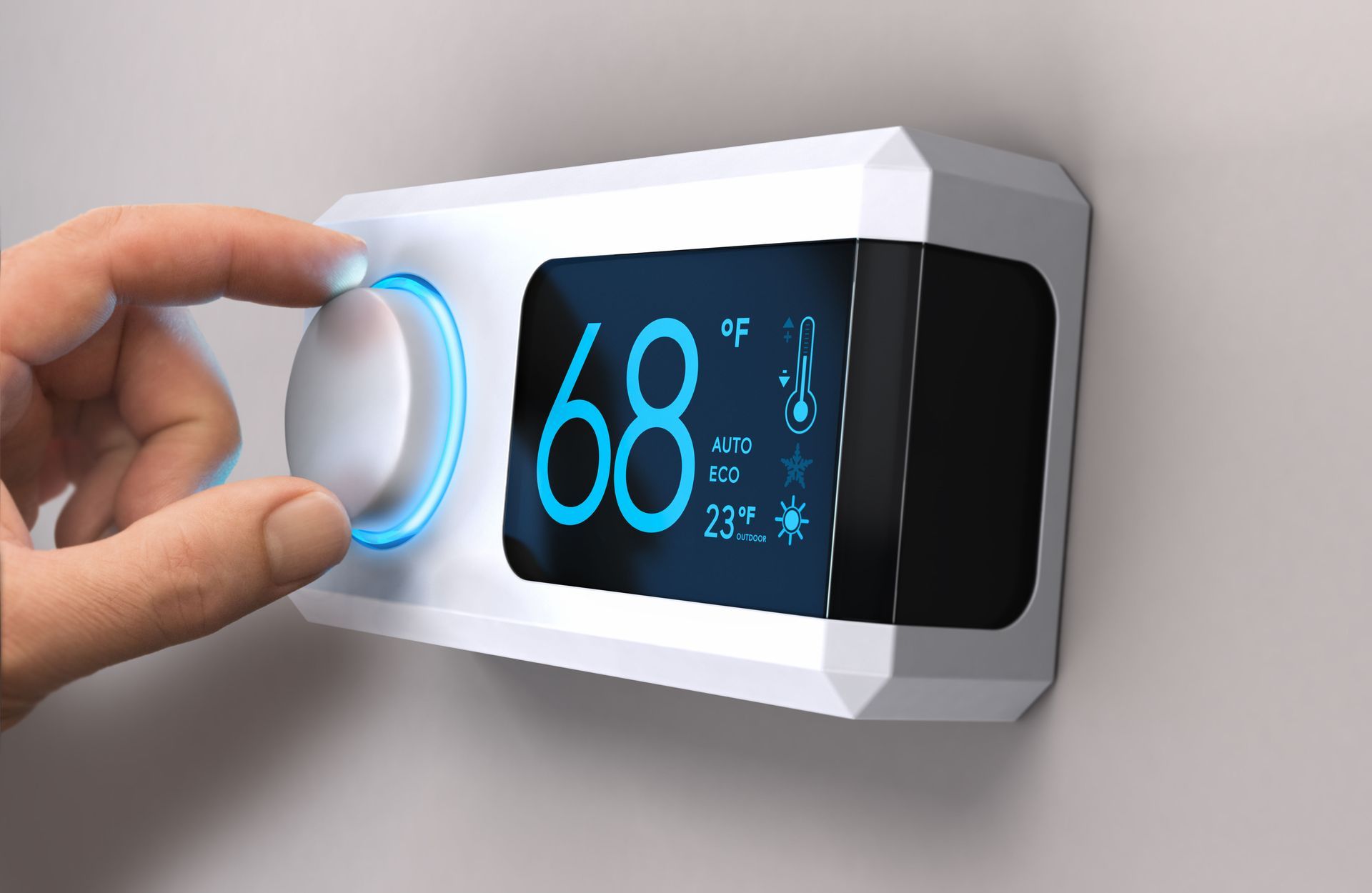
Thermostat settings influence how efficiently a heat pump operates throughout the year. Minor seasonal adjustments help maintain comfort without placing unnecessary strain on the system. An HVAC company can recommend temperature ranges that balance warmth and efficiency as outdoor conditions change, helping homeowners avoid overcorrection that increases energy use.
Programmable thermostats add another layer of control by aligning heating cycles with daily routines. These systems reduce run time when spaces are unoccupied and maintain comfort when needed. Over time, this controlled approach supports steadier energy use, fewer temperature swings, and more predictable monthly heating costs.
Seasonal transitions also require smooth operational changes. Before colder weather arrives, system testing helps confirm heating functions respond correctly. Fan speed and humidity levels should be reviewed as well, since balanced airflow and moisture control improve comfort while supporting efficient system operation during prolonged heating cycles.
3. Improve Airflow for Consistent Performance
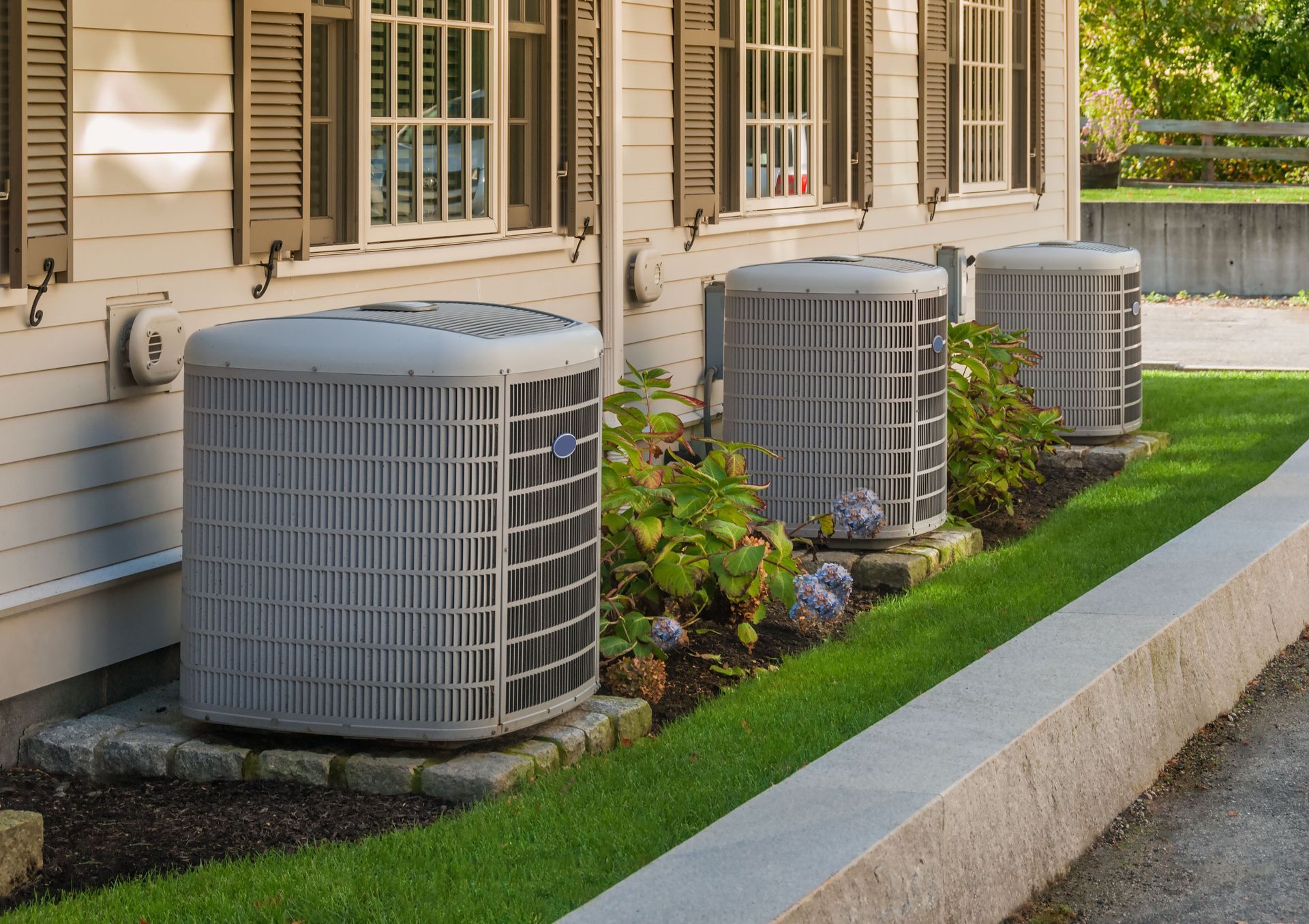
Adequate airflow is essential for effective heat pump operation. Outdoor units must remain free from debris, snow, and vegetation that restrict airflow. When intake and exhaust paths are blocked, efficiency declines and energy use increases. Regular monitoring helps maintain proper heat exchange and prevents performance drops during peak heating periods.
Inside the home, vents and registers should remain unobstructed. Furniture placement and dust accumulation can interfere with airflow, leading to uneven temperatures. An HVAC company may assess airflow distribution to identify imbalances that affect comfort from room to room, particularly in multi-level homes.
Ceiling fans can assist with air circulation when used correctly. Gentle circulation during colder months helps distribute warm air more evenly, reducing the need for higher thermostat settings. Balanced airflow supports steady system performance and contributes to consistent indoor comfort across living spaces.
4. Enhance Energy Efficiency With Upgrades
System efficiency often improves when heat pumps are paired with proper insulation and modern components. Homeowners considering heating installation and repair should evaluate system age and performance to determine whether updates may be beneficial. An HVAC business can assess current conditions and recommend solutions aligned with heating needs and household usage patterns.
Insulation and air sealing upgrades help reduce heat loss, allowing the heat pump to maintain comfort with less effort. When conditioned air stays inside, the system experiences reduced strain, steadier operation, and improved efficiency throughout the heating season.
System sizing also plays a key role in performance. A unit that is too small may run continuously, while an oversized system may cycle too frequently. Professional evaluations ensure proper sizing, which supports consistent operation, balanced comfort, and reduced energy waste.
5. Manage Utility Costs Through Smart Habits
Tracking energy usage patterns helps homeowners identify opportunities to manage heating costs more effectively. Seasonal changes often affect heating demand, making it useful to review monthly trends. An HVAC company may help explain how system performance, run time, and airflow impact utility expenses.
Heating schedules aligned with occupancy patterns reduce unnecessary energy use. Adjusting thermostat settings during lower activity periods supports cost control without compromising comfort. These habits contribute to steadier monthly utility expenses and reduce stress on system components.
Energy management extends beyond the heat pump. Insulation, window sealing, and appliance efficiency all influence overall consumption. A coordinated approach supports comfort while keeping energy use predictable throughout the year.
6. Address Common Issues Before They Escalate
Unusual noises, vibrations, or inconsistent temperatures may signal underlying system concerns. Early evaluation helps prevent further damage and supports continued reliability. An HVAC company can identify mechanical issues and recommend appropriate heating installation and repair solutions before performance declines, helping restore consistent comfort and reduce unnecessary system strain.
Odors or unexplained increases in energy bills may indicate inefficiencies within the system. Prompt attention protects indoor air quality and prevents performance decline. Routine service reduces the likelihood of unexpected disruptions during peak heating periods, especially when systems operate for longer stretches.
Ongoing professional evaluations support long-term system health. Regular checkups allow technicians to confirm proper operation and address wear before it affects comfort. This proactive approach supports dependable heating throughout the year while improving overall system stability.
7. Plan Heating Installation and Repair With Confidence
Heating installation and repair decisions influence comfort and efficiency for years. Working with an HVAC company that understands system requirements supports proper setup and reliable operation. Thorough assessments help homeowners make informed choices without unnecessary guesswork.
Timely repairs prevent minor issues from affecting overall performance. Delaying service often increases energy usage and system strain. Professional evaluations help restore efficiency and support consistent heating when it matters most.
Planning ahead also helps homeowners anticipate future needs. Routine maintenance offers insight into system condition, making it easier to prepare for upgrades or repairs without urgency or disruption.
Consistent heat pump maintenance supports dependable heating, improved efficiency, and steady indoor comfort throughout the year. By focusing on inspections, airflow management, seasonal adjustments, and timely heating installation and repair, homeowners create an environment that performs reliably even as conditions change. These efforts help reduce system strain, promote balanced temperatures, and support predictable energy use over time.
We approach heating care with a focus on long-term performance rather than short-term fixes. When homeowners are ready to work with an HVAC company that understands the value of proper installation, ongoing maintenance, and thoughtful system care, Majic Air offers professional support designed to keep heating systems operating efficiently and comfortably year after year.

Share On: