

How to Maximize Your Company's HVAC System's Efficiency
By Debbie Myers | March 3, 2026
If you manage a commercial building, you already know your heating and cooling system is one of your largest operating expenses. It runs in the background every day, influencing employee comfort, productivity, and your monthly utility bills. When it performs efficiently, no one notices. When it doesn’t, everyone does.
Maximizing efficiency is not about one quick fix. It requires a combination of smart maintenance, thoughtful system design, modern technology, and practical workplace habits. Working with a qualified HVAC contractor can help you identify gaps, prioritize upgrades, and protect your long-term investment. The following strategies provide a clear, practical roadmap to improving performance across virtually any commercial HVAC system.
Prioritize the Routine Maintenance With Professional Oversight
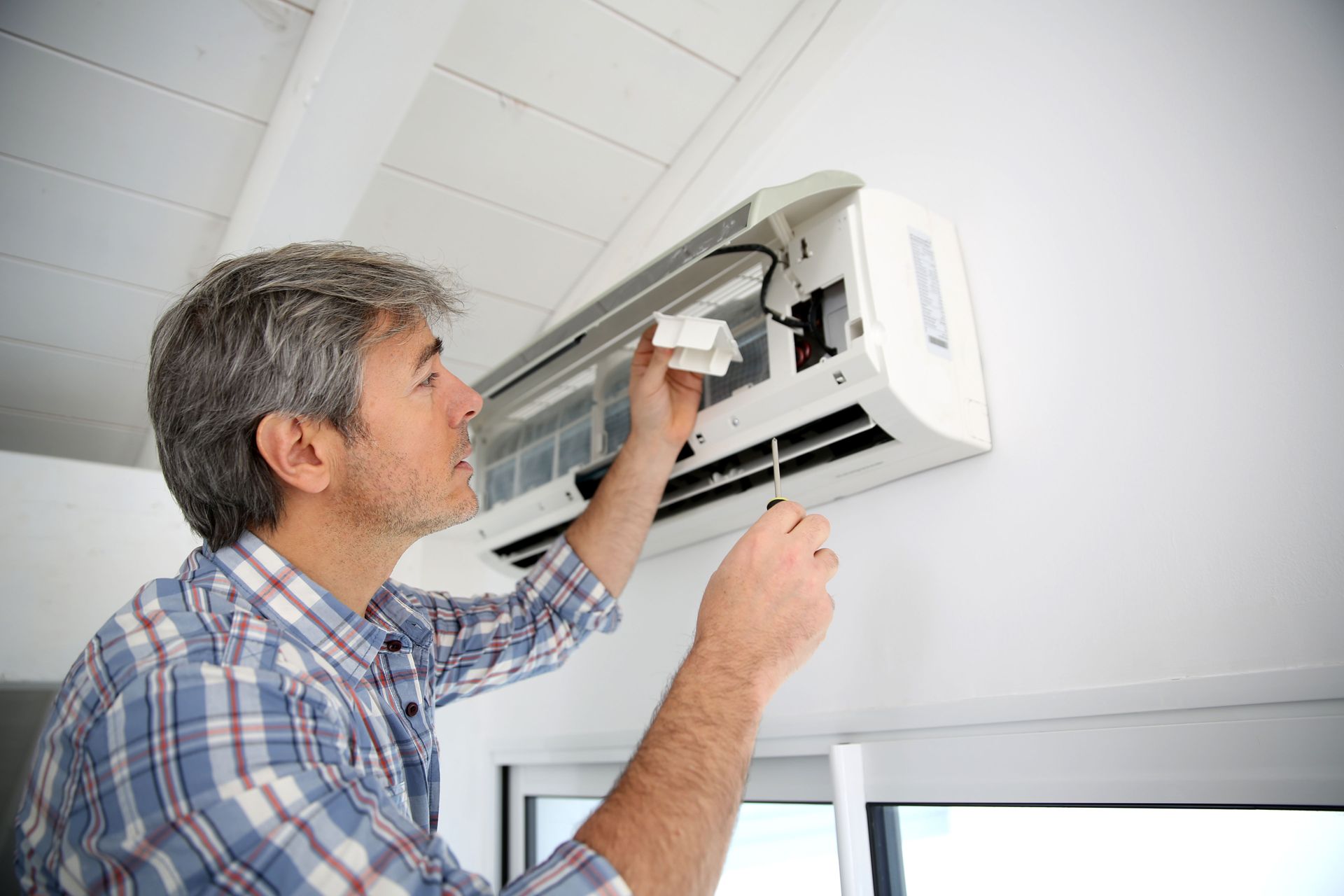
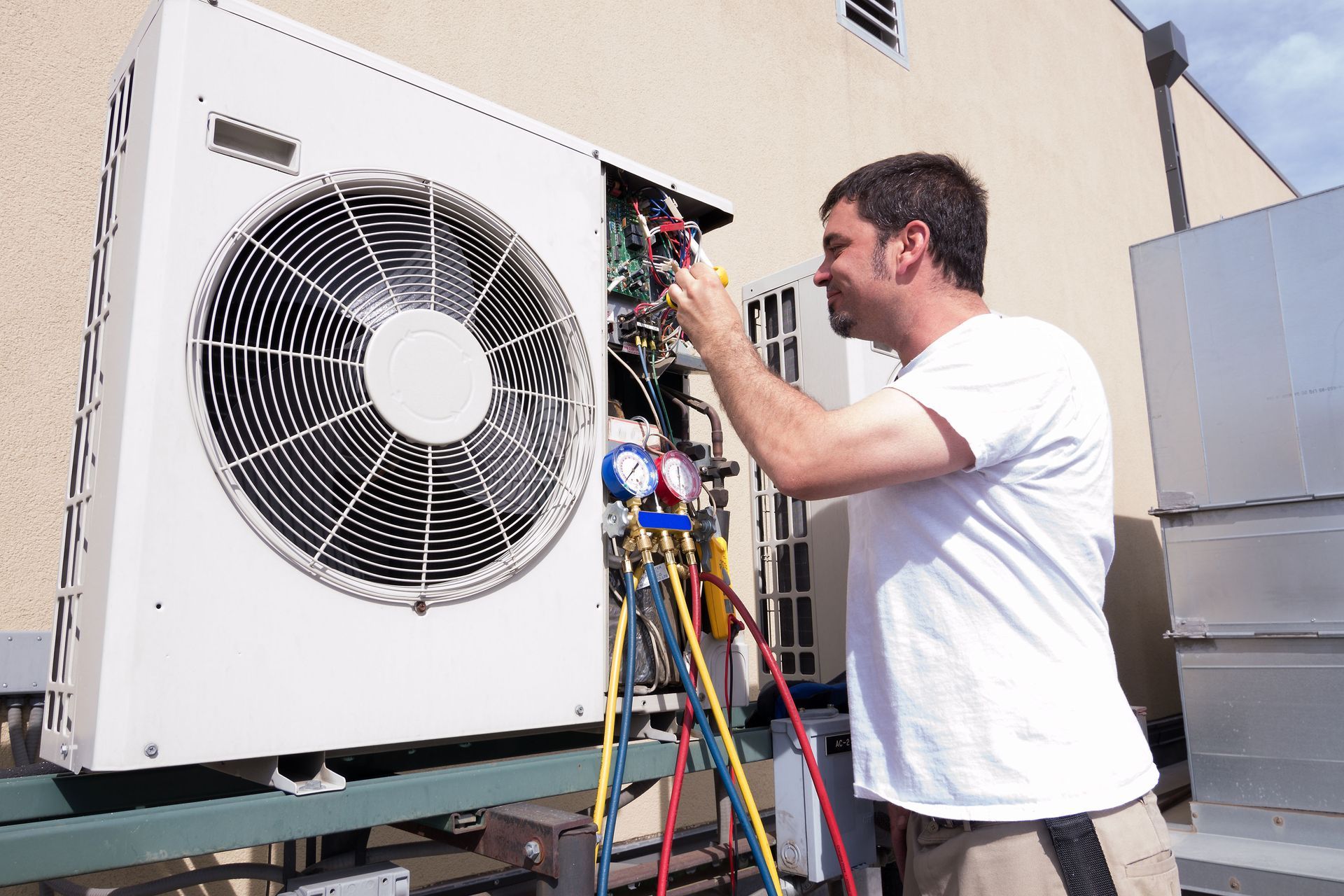
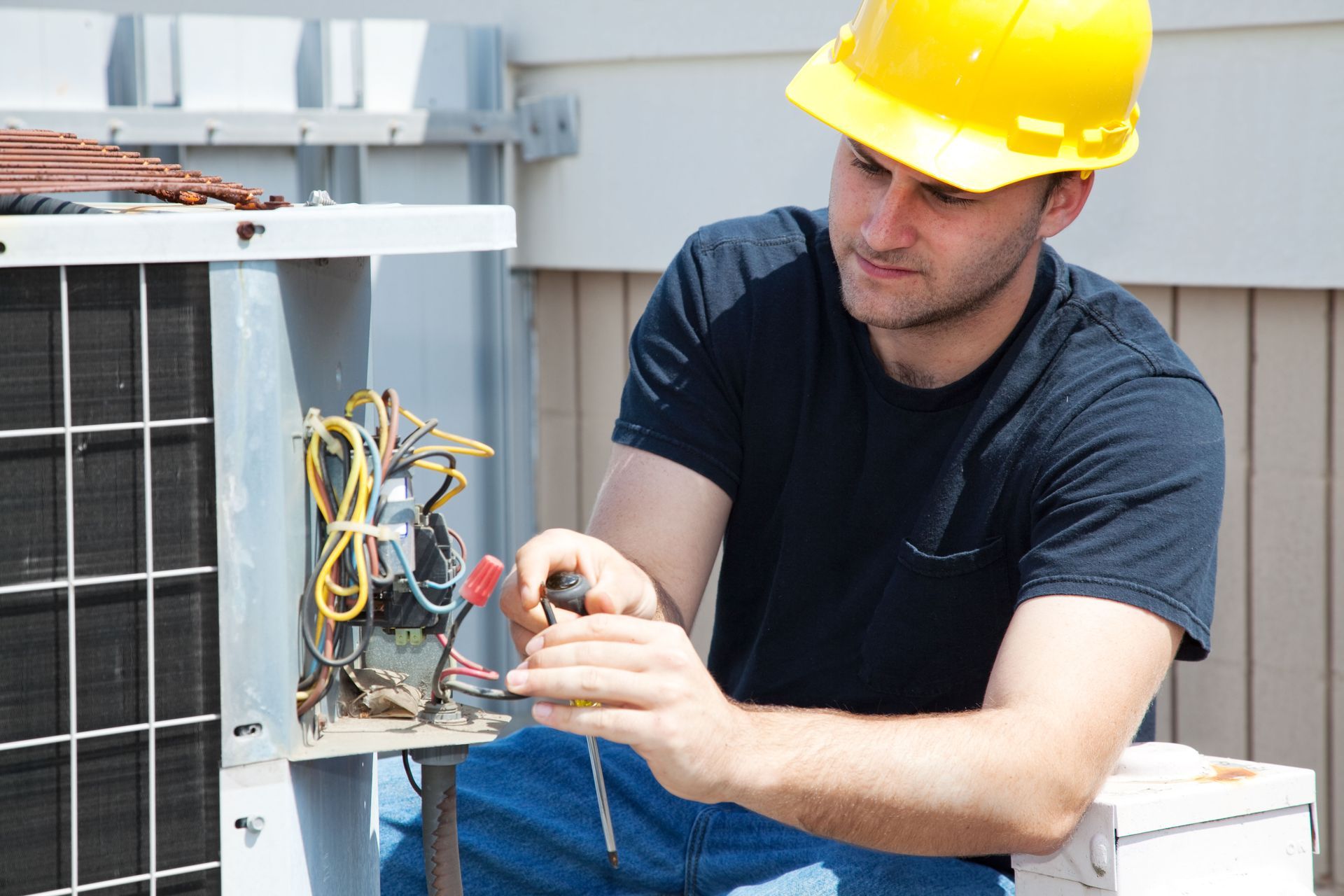
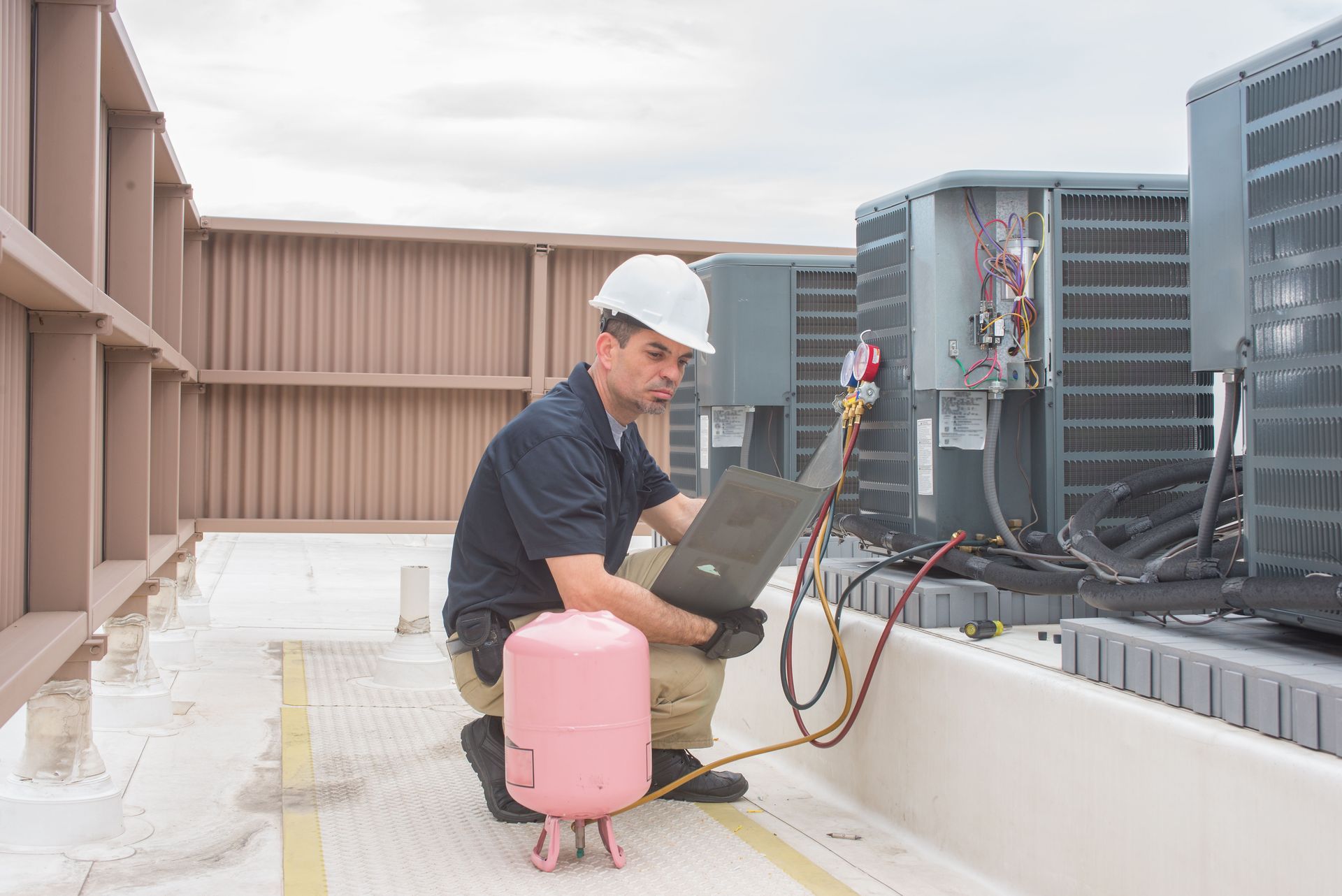
Routine maintenance is the foundation of HVAC efficiency. Without it, even the most advanced system will gradually lose performance. Dust buildup, worn components, and minor mechanical issues compound over time, forcing your equipment to work harder than necessary. A structured maintenance schedule should include coil cleaning, filter replacements, lubrication of moving parts, refrigerant checks, and thermostat calibration. These tasks may seem small, but together they significantly impact airflow, energy use, and system longevity. When neglected, they increase wear and utility costs.
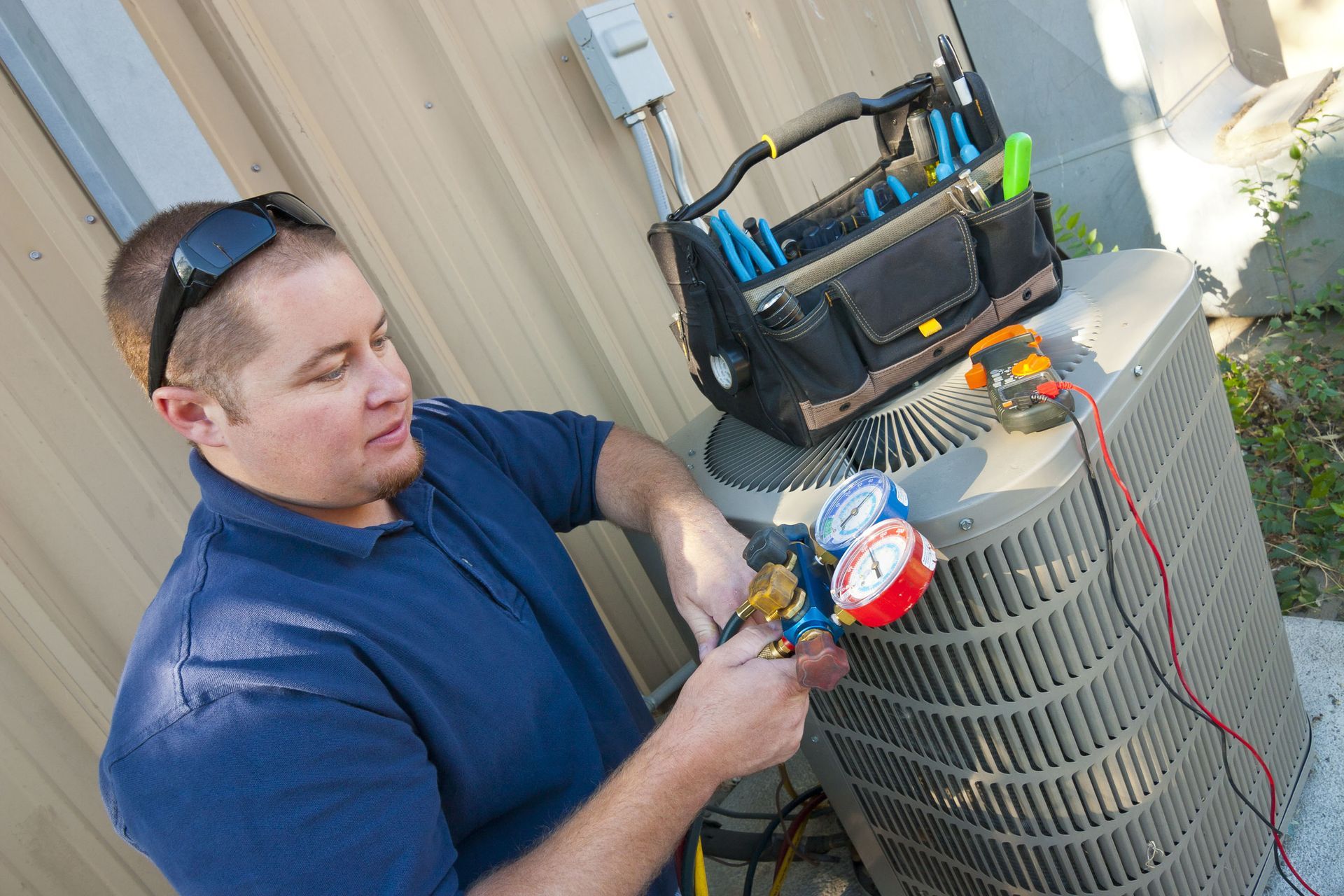
Partnering with an experienced HVAC contractor ensures inspections are thorough and aligned with manufacturer recommendations. Professionals can spot early warning signs that internal teams might miss. Preventive service protects your equipment, reduces unexpected downtime, and stabilizes energy performance year-round.
Upgrade the Control Systems With Smart Technology
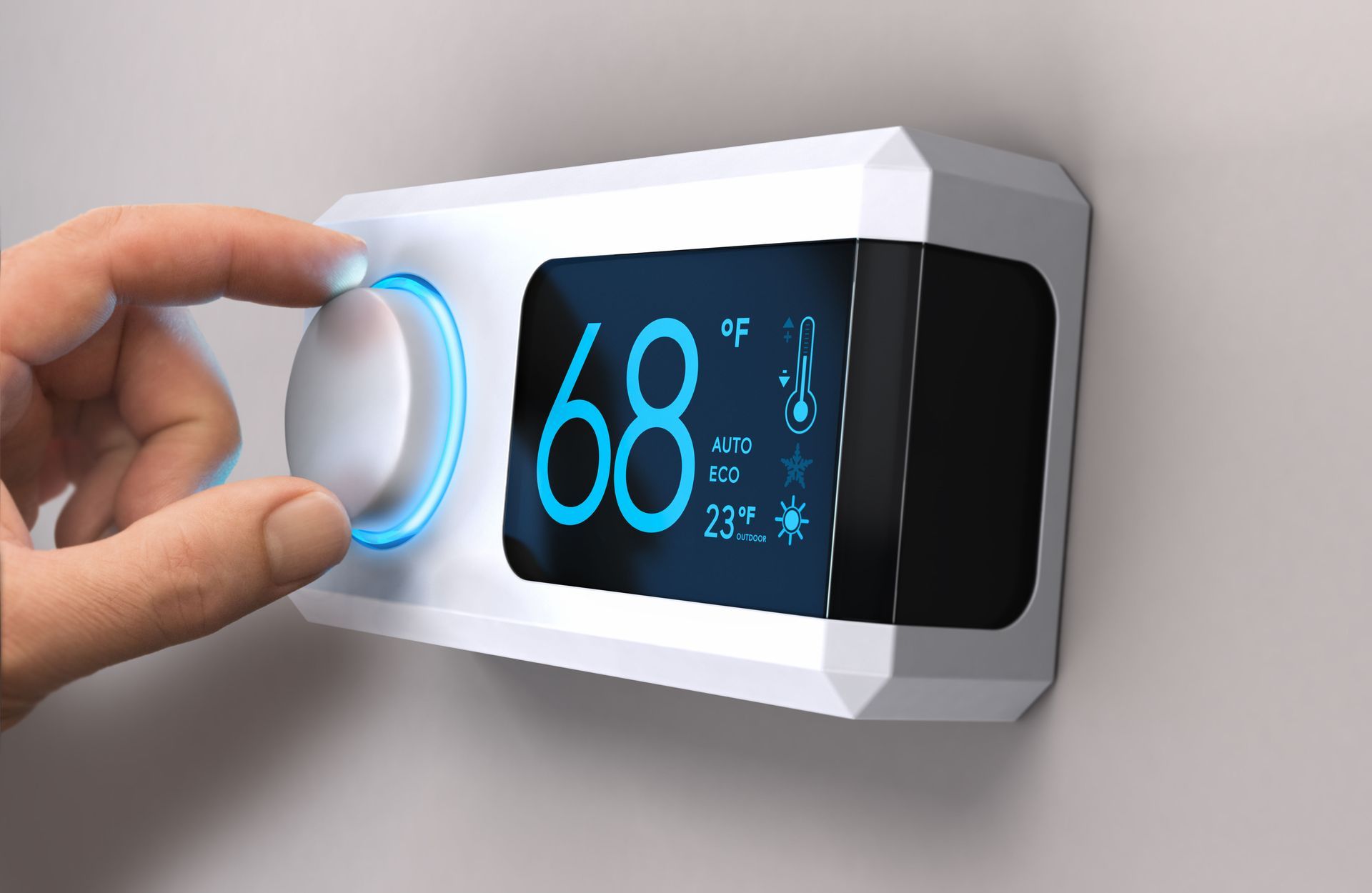
Outdated thermostats and manual controls limit your ability to optimize energy use. Modern smart control systems offer real-time data, automated scheduling, and remote management capabilities. These tools allow you to adjust performance based on occupancy patterns, time of day, and seasonal demand.
Smart thermostats and advanced control platforms reduce unnecessary runtime. Instead of heating or cooling empty spaces, systems operate strategically. Over time, those incremental adjustments translate into measurable cost savings. A knowledgeable HVAC contractor can recommend compatible control upgrades and integrate them into your existing system. Proper setup matters. When controls are programmed correctly, you gain both efficiency and improved indoor comfort without overcomplicating operations.
Optimize the System Design With Proper Sizing
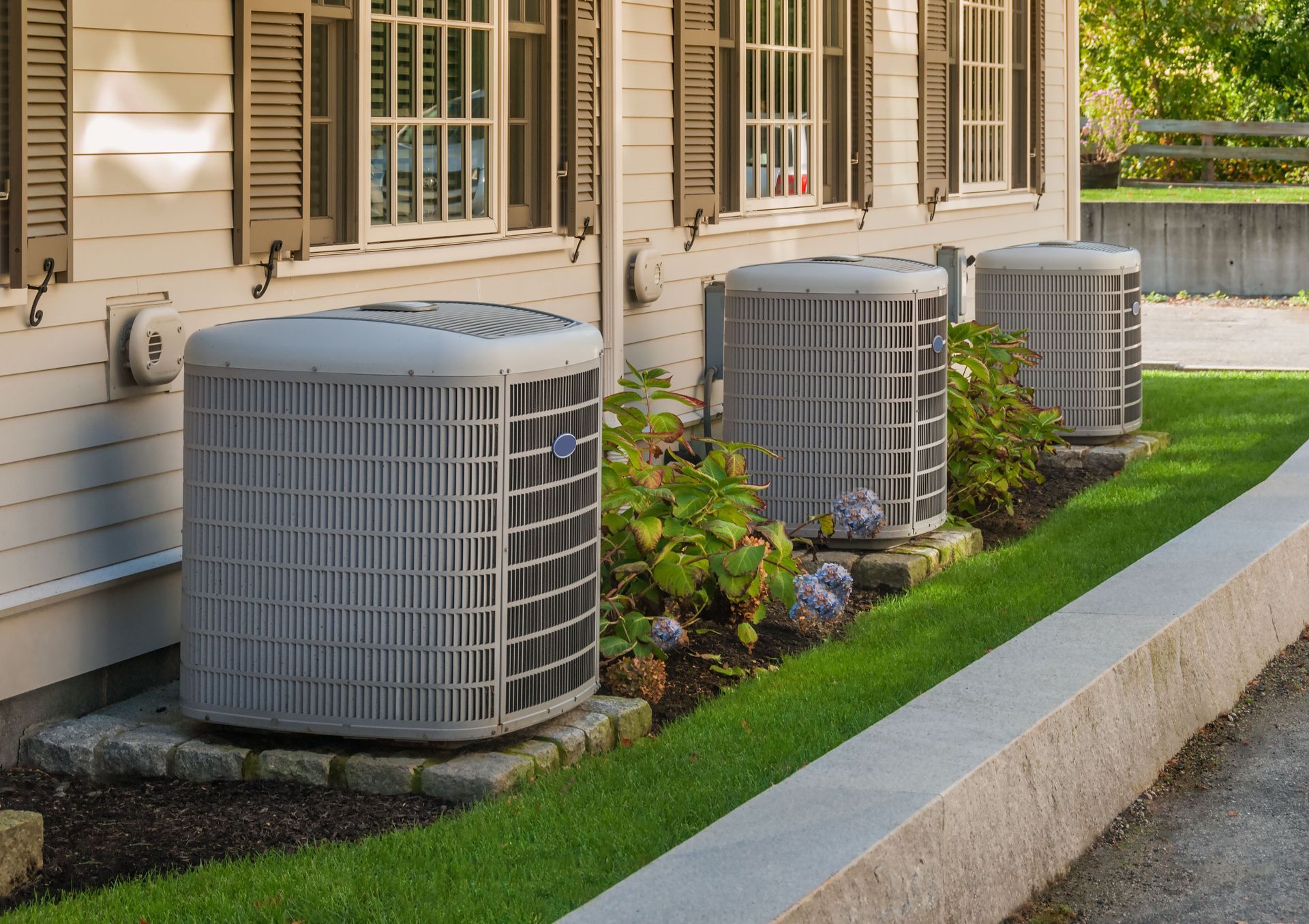
System design plays a larger role in efficiency than many businesses realize. Oversized units cycle on and off too frequently, wasting energy and creating inconsistent temperatures. Undersized systems struggle to meet demand, leading to constant operation and premature wear. Accurate load calculations are essential when installing or retrofitting equipment. Building size, insulation levels, window placement, occupancy density, and internal heat gains all factor into proper sizing. Skipping this step can lock you into years of inefficiency.
If your building has undergone renovations or layout changes, it may be time to reassess system capacity. An HVAC contractor can evaluate whether your current equipment aligns with your building’s actual demand. Proper sizing supports consistent comfort, balanced airflow, and long-term operational stability.
Improve the Airflow Management With Strategic Adjustments
Airflow is one of the most overlooked drivers of HVAC performance. Restricted ducts, clogged filters, and poorly balanced vents force systems to compensate with longer run times. According to Energy Star, airflow problems can reduce your HVAC system's efficiency by up to 15%.
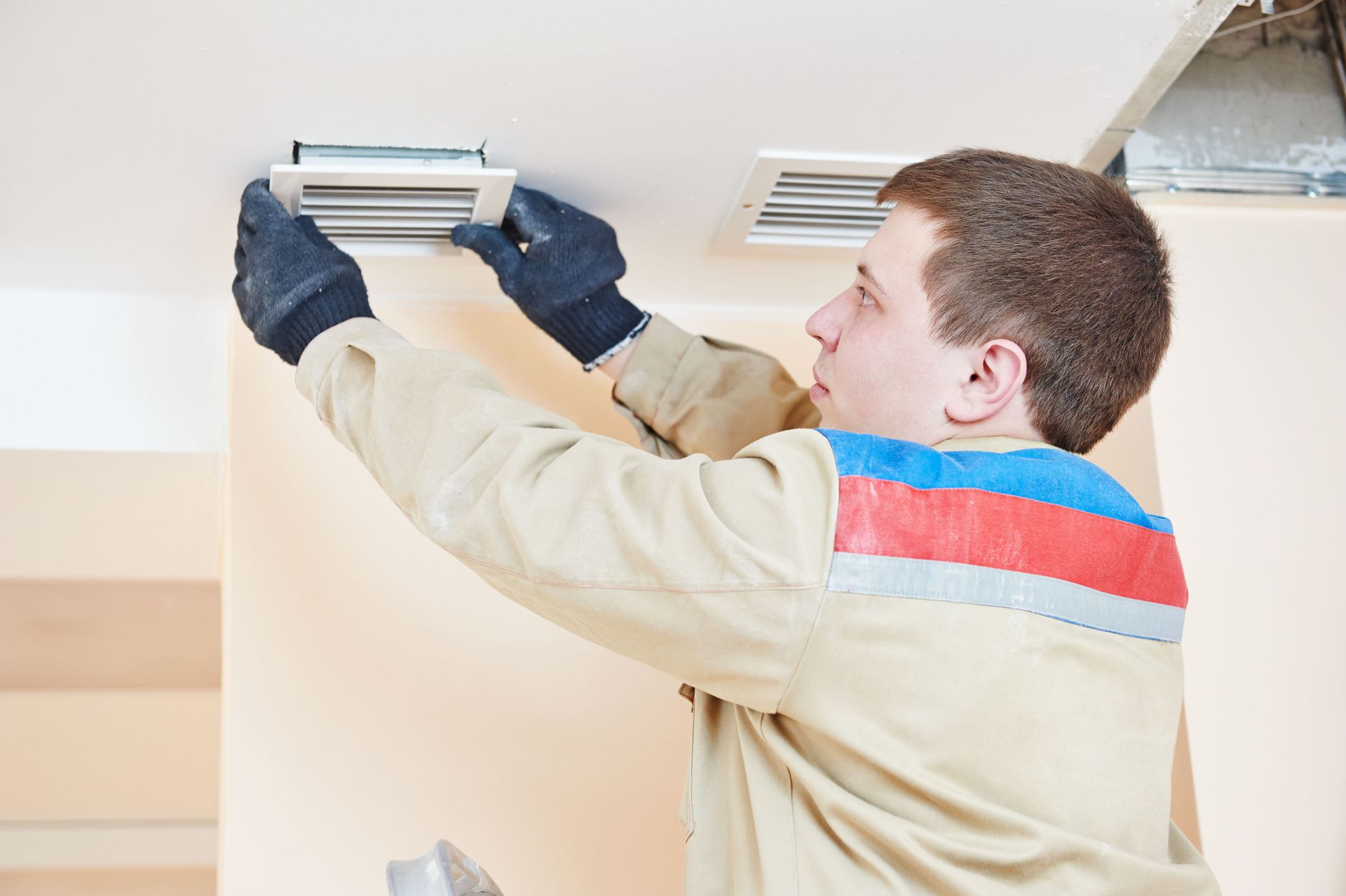
That percentage represents substantial wasted energy over the course of a year. Regular duct inspections, sealing leaks, and cleaning components help maintain steady airflow. Filter replacement schedules should match building usage, not just generic timelines.
Balancing airflow across zones is equally important. Uneven distribution causes certain areas to feel uncomfortable while others are over-conditioned. An experienced HVAC contractor can conduct airflow testing and make calibrated adjustments that restore system balance and improve overall efficiency.
Reduce the System Load With Building Improvements
Your HVAC system does not operate in isolation. The building envelope directly affects how hard it must work. Poor insulation, inefficient windows, and uncontrolled solar gain increase heating and cooling demand. Upgrading insulation, sealing air leaks, and installing energy-efficient windows reduce temperature fluctuations.
Window treatments such as shades or films can limit solar heat gain in warmer months. Even small improvements in the building shell can noticeably decrease system strain. Operational habits also influence load. Turning off lights and equipment after hours, closing doors, and maintaining consistent temperature setpoints reduce unnecessary demand. When combined with guidance from an HVAC contractor, these measures create a more energy-efficient building ecosystem.
Monitor the Energy Performance With Data Tracking
You cannot improve what you do not measure. Monitoring energy performance provides clarity on how your HVAC system behaves over time, especially during peak seasons when demand is highest. Establishing baseline energy usage allows you to identify irregularities, seasonal trends, and unexpected spikes that may signal underlying inefficiencies. Without this data, it becomes difficult to distinguish between normal fluctuations and performance issues that require attention.
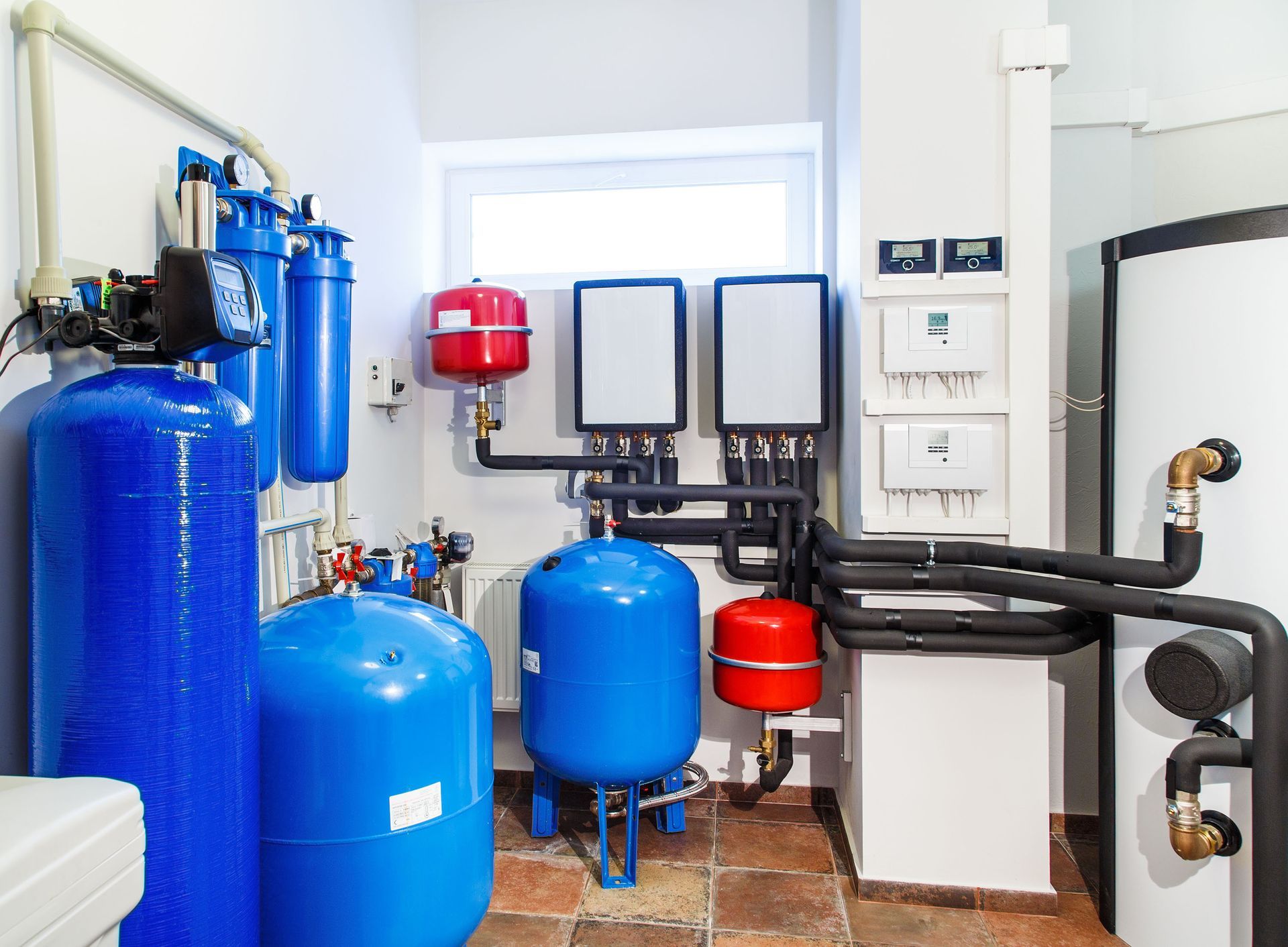
Energy management software and building automation systems offer detailed insights into runtime hours, peak demand periods, temperature consistency, and zone performance. These platforms make it easier to compare current performance against historical benchmarks and track the impact of recent upgrades or adjustments. Over time, this level of visibility supports smarter budgeting and more accurate forecasting. The analytics often reveal inefficiencies that may otherwise go unnoticed, such as short cycling, extended runtimes, or imbalanced load distribution.
Periodic energy audits conducted by an HVAC contractor provide an external, objective review of system performance. Audits identify opportunities for equipment upgrades, airflow corrections, recalibration, and operational improvements that internal teams may overlook. They also validate whether your current strategies are delivering measurable results. Consistent measurement and professional evaluation transform efficiency from a guessing game into a strategic, data-driven initiative.
Encourage the Workplace Habits With Energy Awareness
Technology and maintenance matter, but human behavior also plays a role in HVAC efficiency. Employees who understand the impact of small actions are more likely to support energy-saving initiatives. Simple policies such as keeping exterior doors closed, reporting unusual temperature fluctuations, and avoiding personal space heaters can reduce unnecessary strain on the system. Clear communication about energy goals encourages shared responsibility.
When teams recognize that efficiency improvements support both cost savings and environmental responsibility, participation increases. An HVAC contractor can even provide educational resources or system overviews that help staff understand how the building’s climate system operates. Maximizing your company’s HVAC system efficiency requires a balanced approach. Maintenance protects performance. Smart controls refine operations. Proper design ensures systems match demand. Airflow management, building improvements, energy monitoring, and workplace habits all contribute to measurable gains.
None of these strategies exist in isolation. Together, they create a comprehensive framework that supports lower utility costs, extends equipment lifespan, improves system reliability, and delivers consistent indoor comfort across your entire facility. When maintenance, technology upgrades, airflow optimization, and building improvements work in alignment, your HVAC system operates with greater stability and far less wasted energy.
Taking a proactive approach also reduces the likelihood of emergency repairs, unexpected downtime, and budget disruptions. A strategic partnership with a trusted HVAC contractor ensures these efforts are not only implemented correctly but continuously refined as your building’s needs evolve. With expert oversight, performance tracking, and long-term planning, efficiency becomes a sustained advantage rather than a short-term fix. If you’re ready to improve performance, reduce operating costs, and gain better control over your building’s energy use, contact Majic Air today to schedule a professional HVAC contractor evaluation and take the first step toward a more efficient system.

Share On: