

4 Benefits of a Mini Split Air Conditioner Over Traditional HVAC Systems
By Debbie Myers | July 24, 2026
Maintaining comfortable indoor temperatures remains a priority for property owners across the globe. Traditional heating and cooling setups rely on extensive ductwork networks to distribute conditioned air throughout a building. These conventional methods present inherent challenges, ranging from severe energy loss to complex maintenance requirements. An innovative alternative has emerged, offering significant advantages for residential spaces seeking superior climate management.
Ductless technology provides an effective solution to the common flaws of older climate control frameworks. By removing the need for sprawling metal vents, these compact units offer streamlined operation. Consumers evaluating climate control options must weigh the functional differences between available choices. Understanding the core advantages of a ductless approach reveals why individuals choose this modern equipment over conventional central air conditioning.
Enhancing Energy Efficiency Throughout the Residence
Traditional climate control frameworks lose substantial amounts of energy through ductwork leaks. Conditioned air escapes into attics or basements before reaching the intended living spaces. This energy waste forces central units to work harder, increasing utility costs for the property owner. A mini split air conditioner bypasses this structural issue by delivering cooled air to the source.
Energy consumption differences between standard systems and ductless options remain stark. Centralized cooling requires immense power to push air through a massive labyrinth of tubes. Without these spatial barriers, ductless machinery operates with diminished electrical draw. According to the Department of Energy, ducted heat pumps typically reach efficiency ratings between 15.2 and 25 SEER2, while ductless mini-splits can reach between 15.2 and 35 SEER2.
The absence of thermal loss in unconditioned spaces maximizes cooling output. Central networks traverse hot attics, warming the chilled air before it exits the vent. Ductless setups mount within the specific area needing temperature adjustment. This localized placement ensures all consumed energy translates into perceptible cooling for the occupants. The equipment avoids extreme attic heat, resulting in profound energy preservation.
Inverter technology elevates the energy preservation capabilities of ductless components. Conventional compressors operate on a rigid cycle, blasting at full capacity before deactivating. Ductless units feature variable-speed compressors that modulate power based on exact real-time demand. This fluid adjustment prevents power spikes and maintains steady temperatures. The continuous operation extends machinery lifespan while protecting the grid from surges.
Simplifying Installation Requirements for Property Owners
Retrofitting an older home with central cooling involves massive structural disruption. Contractors must cut through walls, ceilings, and floors to accommodate bulky metal pathways. This construction process creates dust, noise, and significant aesthetic damage to delicate architecture. Many historic buildings lack the interior cavity space required to hide such infrastructural additions. The invasive nature of centralized installations deters many upgrade projects.
Choosing a mini split air conditioner eliminates the need for extensive interior demolition. The physical connection between the outdoor condenser and indoor air handlers requires a minuscule hole in the exterior wall. Technicians feed a slender conduit containing refrigerant lines, power cables, and drainage tubes through this tiny opening. Preservation of the existing building structure remains a paramount benefit for owners.
Reduced labor requirements translate into expedited project completion times. A full central framework installation might leave a residence uninhabitable for weeks. Technicians complete ductless framework setups in rapid timeframes. Property owners experience minimal intrusion, allowing normal daily routines to resume without prolonged construction delays. The swift setup phase reduces labor costs and mitigates project stress.
The physical footprint of the equipment offers spatial benefits to inhabitants. Central components demand dedicated utility closets and massive exterior clearance. Ductless indoor handlers mount flush against upper walls or suspend from ceilings, preserving valuable floor space. The outdoor compressors feature a slim profile, allowing placement in narrow alleys or tight garden corners. This compact design suits dense urban environments.
Customizing Temperature Control in Specific Zones
Central frameworks rely on a sole thermostat to dictate the climate of an entire building. This monolithic approach ignores the unique thermal characteristics of different architectural zones. Sun-facing rooms bake in the afternoon heat, while shaded basement spaces remain freezing. A mini split air conditioner provides localized control over specific zones within a building, matching cooling output to exact environmental demands.
Zoning capabilities allow occupants to tailor environments to distinct preferences. Family members possess differing comfort thresholds regarding ambient heat. A specific person might prefer a frigid bedroom for sleeping, while another requires a warm study environment. Ductless setups accommodate these conflicting desires by operating independent indoor handlers connected to a shared exterior condenser unit. This separation fosters harmony among residents.
Conditioning unoccupied spaces constitutes a major flaw of centralized air distribution. Standard systems blast chilled air into vacant guest rooms and empty dining halls. Ductless zoning allows property owners to disable the climate control in unused areas. Disabling specific handlers conserves energy without compromising comfort levels in active, populated sections. Directing resources to occupied rooms reflects modern resource management.
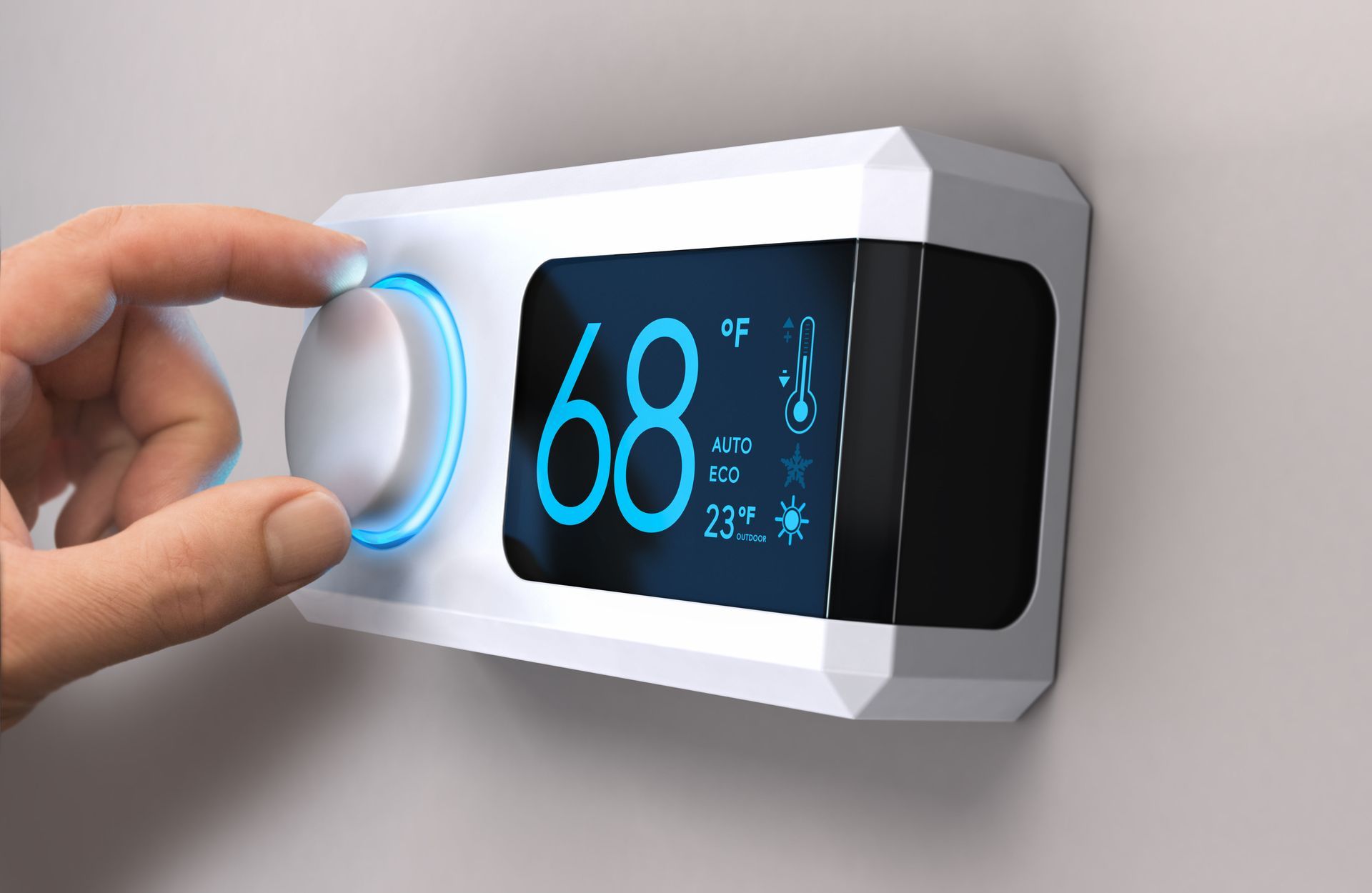
Remote controls and smart thermostat integrations grant seamless command over each distinct zone. Users can adjust parameters using handheld devices without walking to a central hallway panel. Modern integrations allow automated scheduling based on room occupancy patterns. This intelligent separation of living spaces ensures optimal thermal conditions that track the natural movement of inhabitants. Programmable routines maximize comfort across the floor plan.
Improving Indoor Air Quality Without Metal Ductwork
Extensive vent networks act as vast collection repositories for airborne pollutants. Dust mites, pet dander, and pollen accumulate within the dark metal pathways over time. When the central fan activates, the machinery blows these accumulated allergens into the living spaces. Cleaning these sprawling networks involves expensive professional services. Poor maintenance of standard vents degrades the respiratory environment for the occupants.
Selecting a mini split air conditioner removes the primary breeding ground for indoor particulate matter. Without expansive hidden passages, dust cannot gather out of sight. The air circulates inside the visible living space, passing through localized filtration systems. Inhabitants breathe cleaner air free from the mold and debris that plague centralized distribution tubes. The elimination of metal conduits upgrades atmospheric purity.
Moisture management presents another critical advantage of ductless configurations. Traditional conduits experience condensation buildup due to temperature differentials between the chilled metal and humid attic air. This persistent moisture fosters toxic mold growth hidden from view. Ductless indoor units manage condensation internally to the handler, expelling it to the exterior. Managing humidity at the source prevents dangerous biological contaminants from entering living spaces.
Maintenance of filtration components requires minimal effort from the property owner. Each indoor wall unit features accessible, washable filters that detach with gentle pressure. Routine rinsing under a faucet restores optimal particulate-capturing capacity. This straightforward upkeep encourages regular maintenance, ensuring the machinery purifies the breathing environment without specialized cleaning crews. Accessible filters empower users to manage air quality.
Abandoning conventional climate management presents measurable benefits for modern property owners. The elimination of thermal loss guarantees superior energy conservation compared to older methods. A mini split air conditioner respects architectural integrity by requiring minimal structural modification during setup. Inhabitants gain unprecedented command over localized temperatures, ending the struggle of whole-house thermostat disputes. Decentralized hardware solves legacy equipment inefficiencies.
Breathing pristine air free from duct-borne allergens elevates the overall health standards of a residence. These compact units represent a formidable leap in residential and commercial climate technology. Choosing a mini split air conditioner ensures quiet operation, reduced utility expenses, and personalized environmental comfort. This targeted approach to cooling secures an optimal indoor atmosphere for decades into the future. We at Majic Air are ready to help you eliminate inefficient ductwork and upgrade your home comfort with a new
mini split air conditioner. Contact us today to schedule your consultation and transform your daily climate control experience.




Share On: