

Why It Matters to Have Pros Working on Local Heat Pump Installation
By Debbie Myers | September 4, 2026
Transitioning your home to modern climate control equipment requires careful planning and experienced hands. When upgrading your heating and cooling setup, relying on local heat pump installation professionals makes a substantial difference in overall home comfort and long-term operating costs. Professional technicians evaluate your living space to select the exact system parameters needed for maximum performance during both freezing winters and scorching summers.
Improper setup can compromise the efficiency of even the highest-grade equipment, causing premature wear and elevated energy bills. Entrusting your project to licensed experts guarantees that electrical connections, line sets, and airflow dynamics meet stringent industry benchmarks. Working with local specialists also ensures that your project stays compliant with municipal building codes and regional environmental standards.
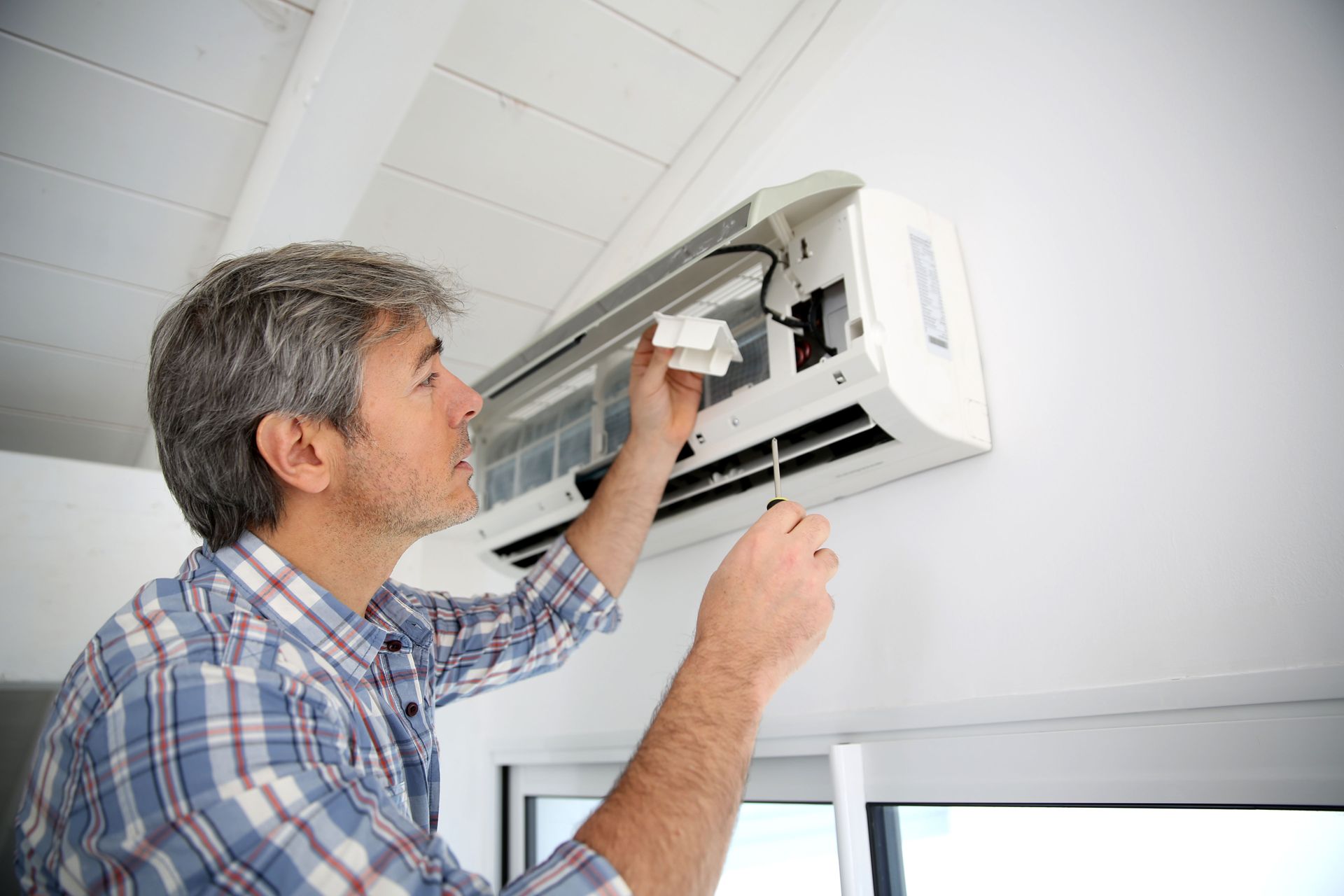
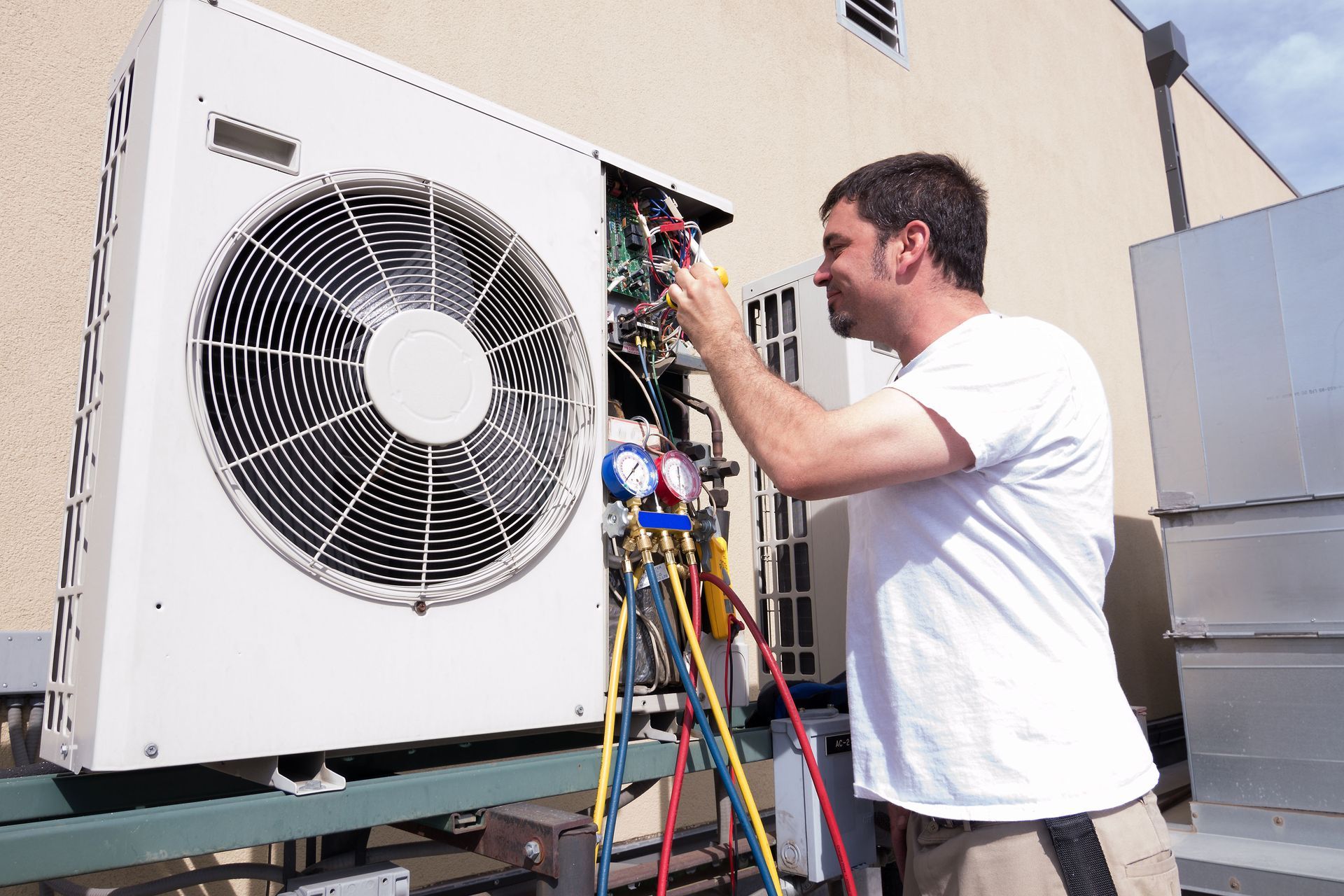
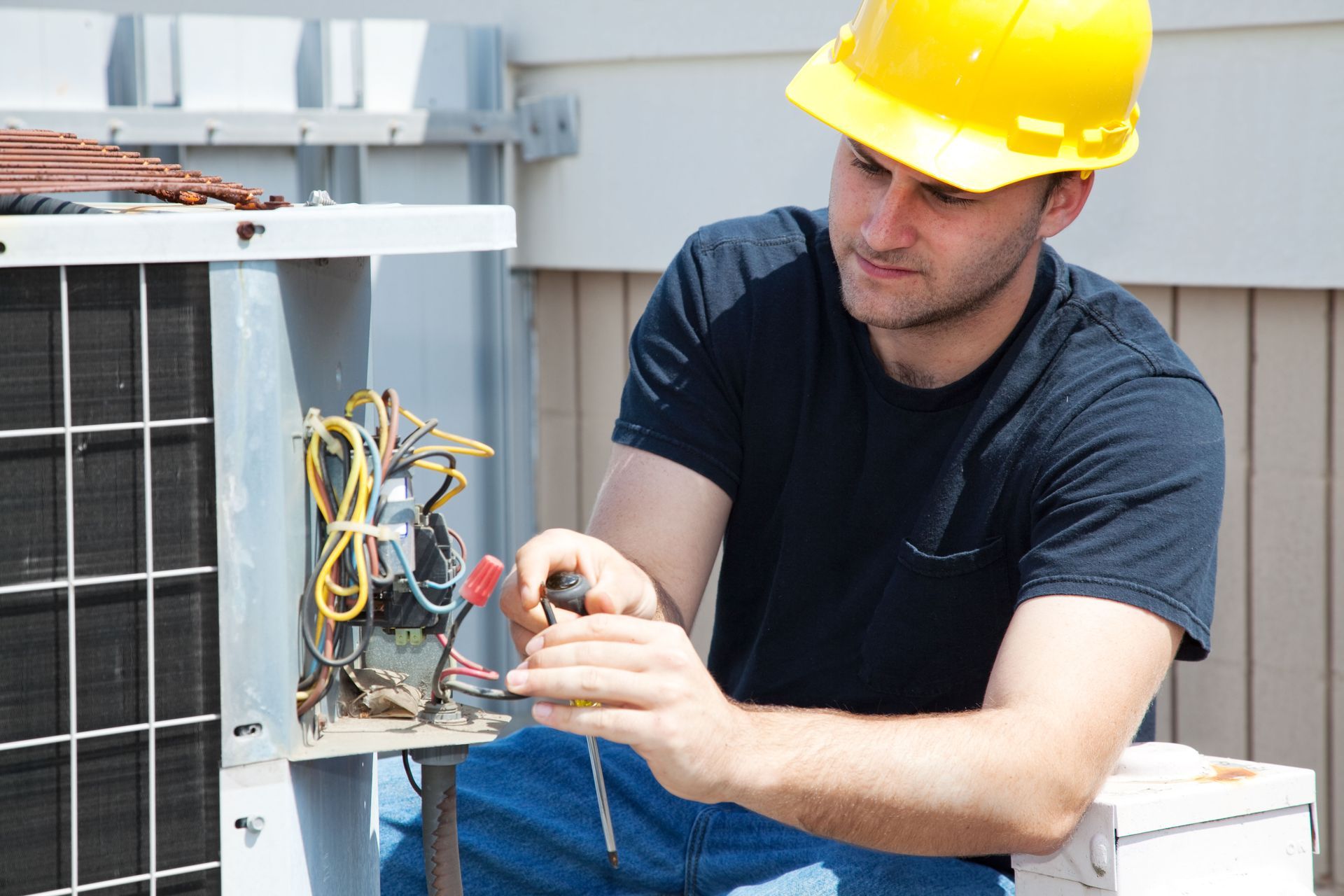
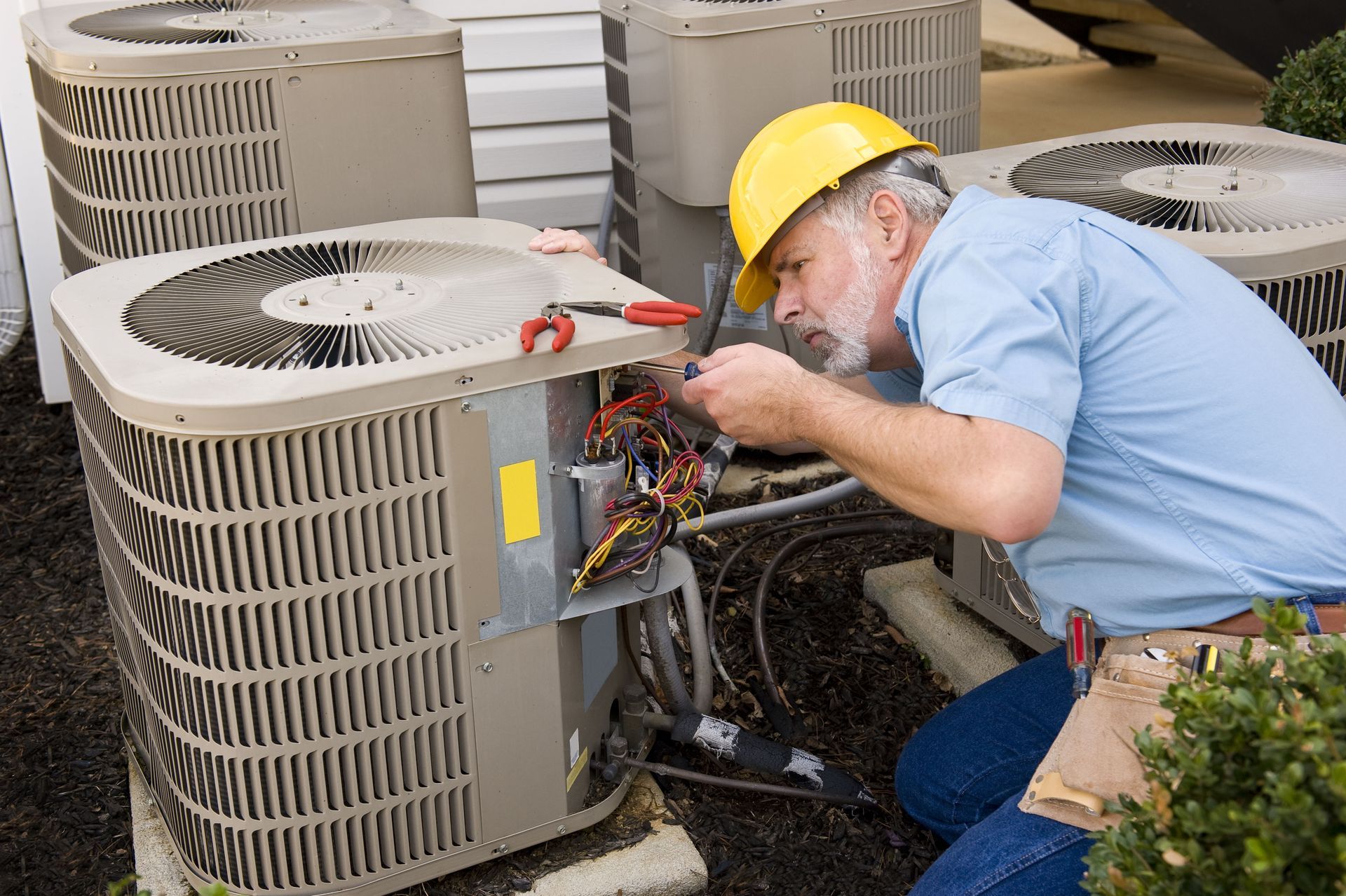
Choosing qualified technicians provides immediate peace of mind because every physical component receives meticulous attention during setup. From mounting heavy condenser units to running delicate copper lines, seasoned workers eliminate common points of failure that cause system breakdowns.
Modern heating equipment relies on delicate microprocessors and advanced sensors that demand exact calibration during startup. Skilled workers conduct comprehensive testing phases after physical assembly, confirming that fan speeds, fluid pressures, and electronic control boards function seamlessly together. This comprehensive approach guarantees that your climate control infrastructure operates reliably for many years to come.
Protecting Your Financial Investment
Purchasing a modern heat pump represents a significant financial commitment to your home's long-term utility infrastructure. According to Consumer Affairs, somewhere between a quarter and a half of the total expense for an HVAC project goes directly toward the skilled labor involved in installing a heat pump. Paying for qualified technicians safeguards that financial commitment by preventing installation errors that lead to frequent repair calls.
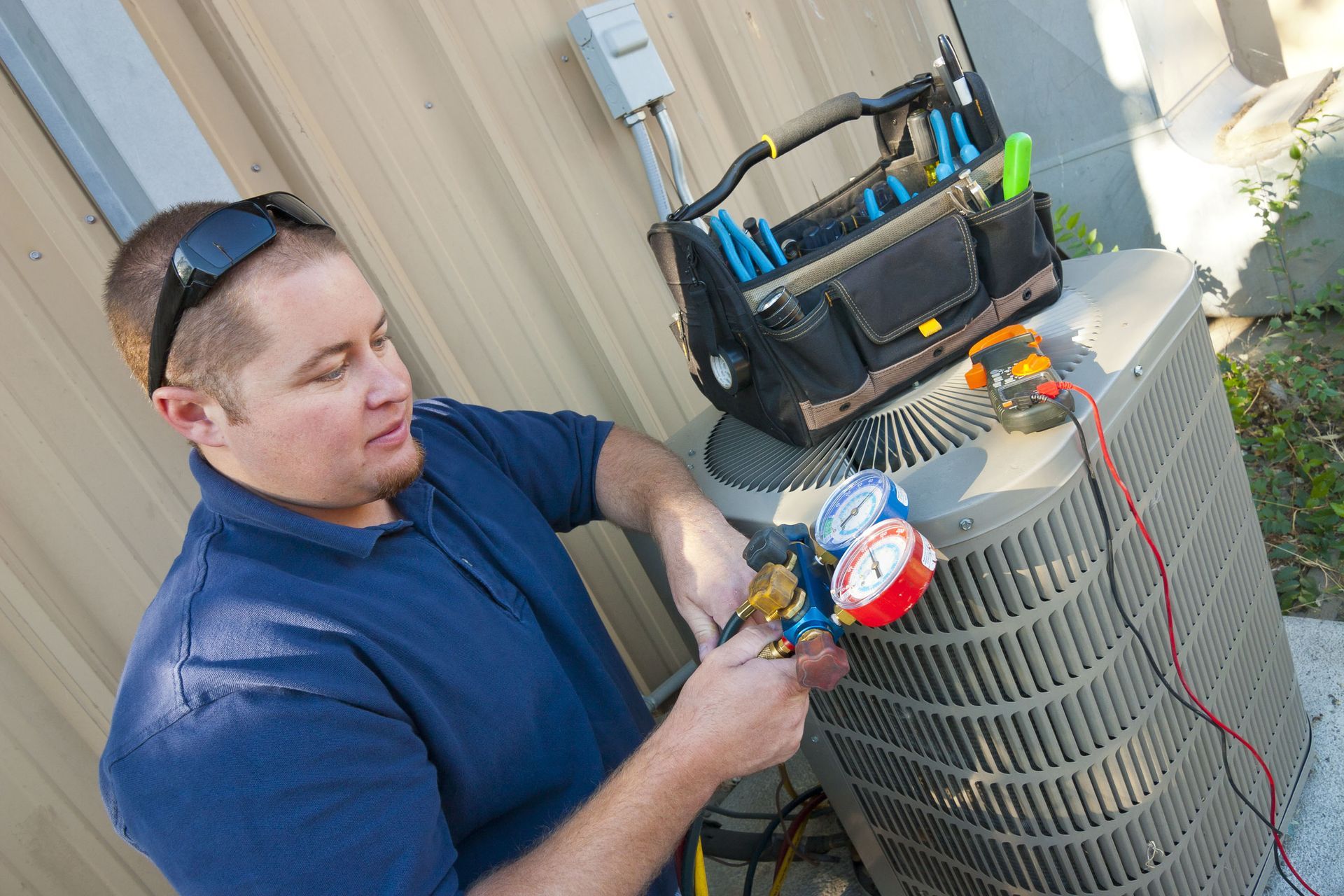
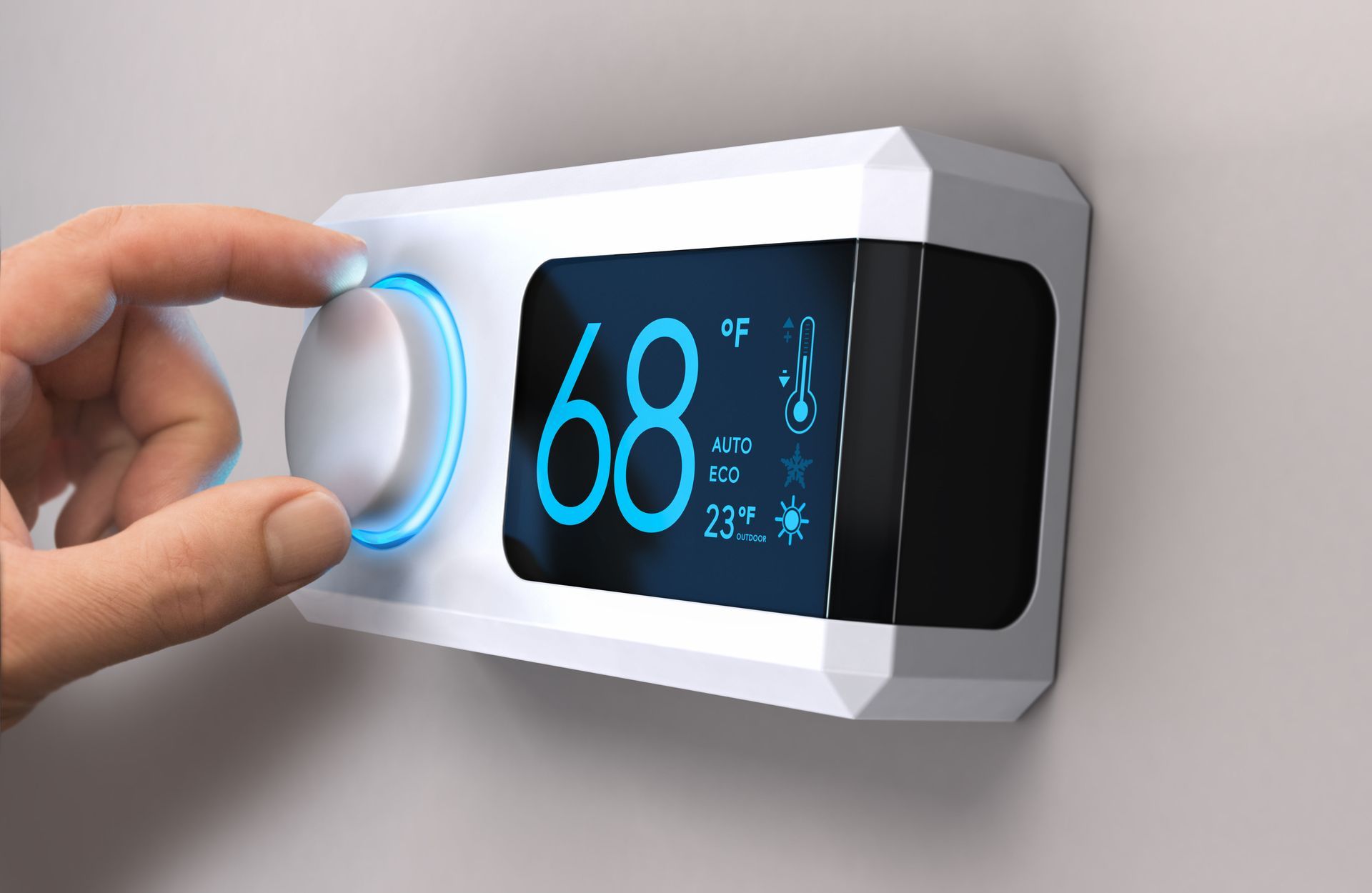
Certified installers possess the exact diagnostic tools required to verify refrigerant charge levels and calibrate digital thermostats accurately. Investing in skilled labor ensures that every component functions in harmony, allowing you to recover your initial financial outlay through continuous monthly utility savings.
Skilled workers also ensure that every physical fastener and vibration pad remains securely anchored, protecting delicate internal valves from suffering structural damage over time. Protecting these delicate internal assemblies helps maintain steady operating efficiency while keeping noise levels inside your living spaces down to a minimum.
Long-term financial security also comes through valid manufacturer warranty protection, which requires proof of professional commissioning. By keeping detailed records of your initial setup, you protect your rights to receive replacement components without incurring unexpected out-of-pocket expenses later on down the line.
Determining Precise System Capacity
Installing local heat pump installation equipment requires a thorough understanding of thermal dynamics rather than simple rule-of-thumb estimates. Qualified technicians perform detailed load calculations that take into account square footage, insulation density, window placements, and ambient sun exposure.
- Calculating Heat Gain: Technicians measure how much solar radiation enters through glass surfaces during peak afternoon hours.
- Evaluating Envelope Integrity: Professionals inspect wall cavities and attic spaces to assess existing insulation values before recommending a specific unit size.
Selecting an oversized system results in rapid cycling, which degrades humidity control and strains the electrical compressor. Conversely, an undersized unit runs constantly without ever reaching the desired indoor temperature. Expert load sizing eliminates these comfort issues while extending the overall operational lifespan of your mechanical components.
Careful evaluation of indoor humidity levels allows specialists to recommend complementary accessories like whole-home dehumidifiers or advanced filtration systems. Addressing air quality during the initial load sizing phase helps create an ideal indoor environment tailored specifically to your family's personal health needs.
Accurate capacity sizing also protects your home from unnecessary electrical consumption during severe temperature spikes. Selecting an appropriately matched unit keeps power usage stable, preventing unexpected spikes in your monthly utility invoices throughout the most demanding winter and summer months.
Ensuring Safe Electrical Connections
Modern climate control machinery operates on high-voltage electrical circuits that require expert handling and meticulous safety compliance. A certified local heat pump installation technician verifies that your existing breaker panel can handle the mechanical start-up load of the new compressor.
Upgrading wiring harnesses, adding dedicated breakers, and setting up exterior disconnect boxes protect your home from electrical hazards. Professional handling of these components keeps your family safe while maintaining active manufacturer warranty coverage.
Faulty electrical work remains a primary cause of residential equipment failures and home fires across the nation. Experienced technicians follow strict national safety codes, ensuring that wire gauges, grounding rods, and circuit breakers match the exact amperage requirements specified by the equipment manufacturer.
Proper electrical grounding also prevents sensitive electronic control boards from suffering damage during sudden power surges or severe localized thunderstorms. Entrusting these high-voltage connections to seasoned professionals eliminates safety risks while ensuring steady electrical delivery to your essential home comfort equipment.
Maximizing Year-Round Energy Efficiency
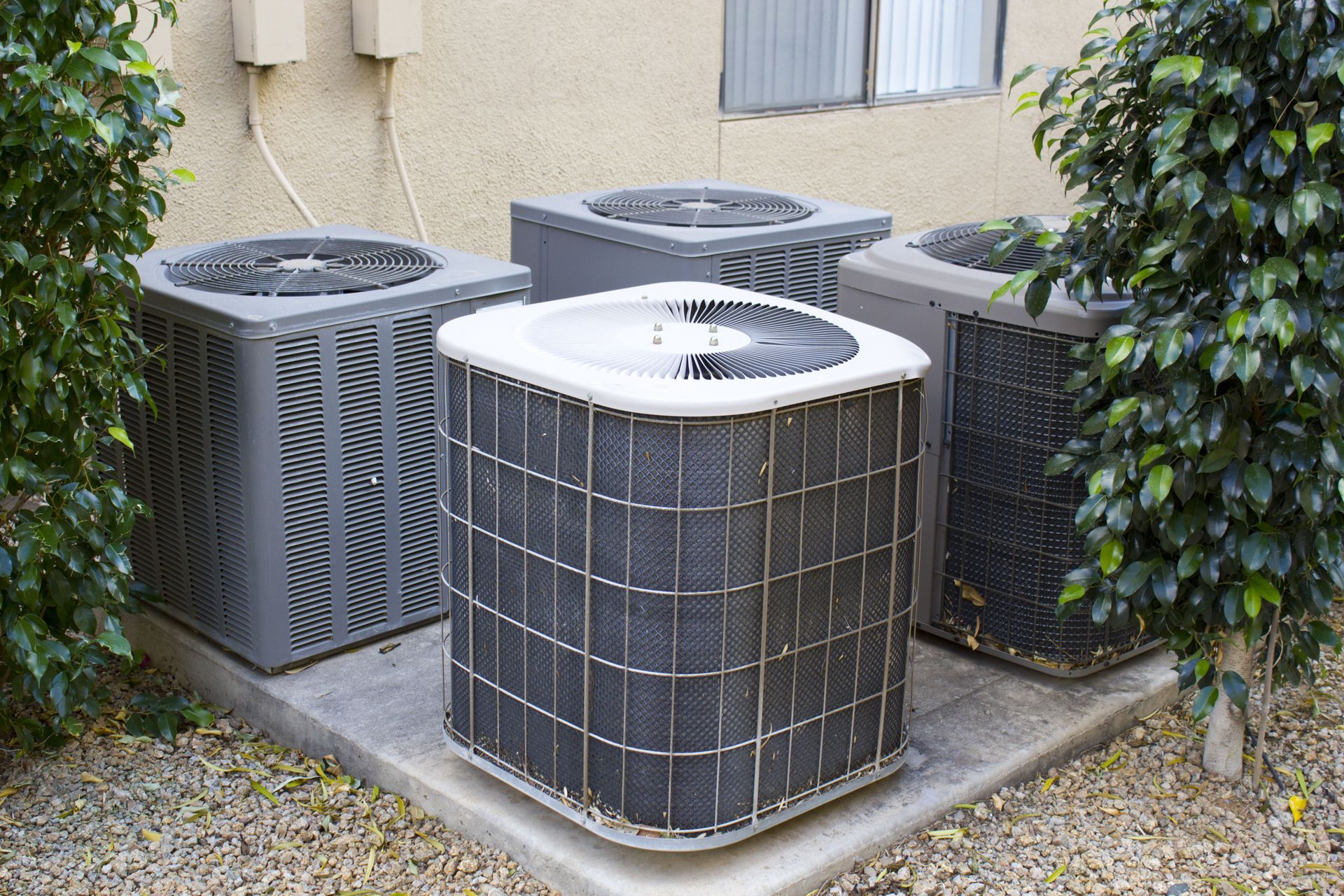
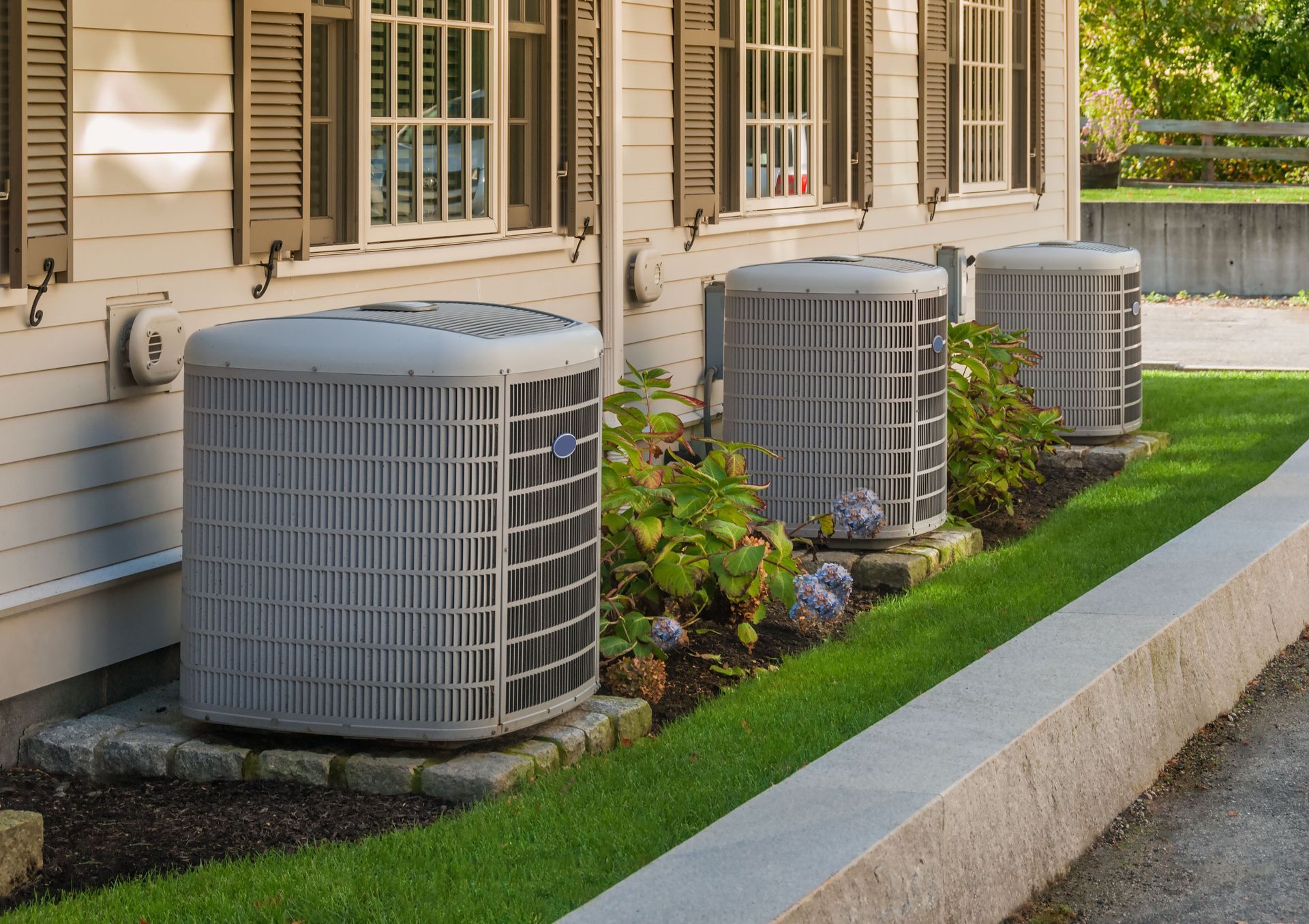
Proper placement of both indoor and outdoor units directly influences the daily efficiency of your heating and cooling equipment. Qualified installers select outdoor sites that offer adequate clearance, preventing airflow blockages caused by surrounding foliage, snow drifts, or architectural structures.
- Optimizing Indoor Placement: Technicians position wall heads or air handlers to distribute conditioned air evenly across living spaces without creating cold spots.
- Elevating Outdoor Condensers: Specialists mount exterior units on sturdy, vibration-absorbing pads raised above typical snowfall levels to preserve airflow year-round.
Proper duct integration and line placement reduce thermal loss as refrigerant travels between components. Dedicated local heat pump installation specialists fine-tune these physical layouts to ensure your system operates at peak seasonal efficiency ratings.
Preventing airflow restrictions around the outdoor condenser coil allows the refrigerant cycle to exchange heat rapidly without overworking the internal motor. This free movement of air minimizes physical strain, keeping internal operating temperatures low and helping lower energy consumption during long operational cycles.
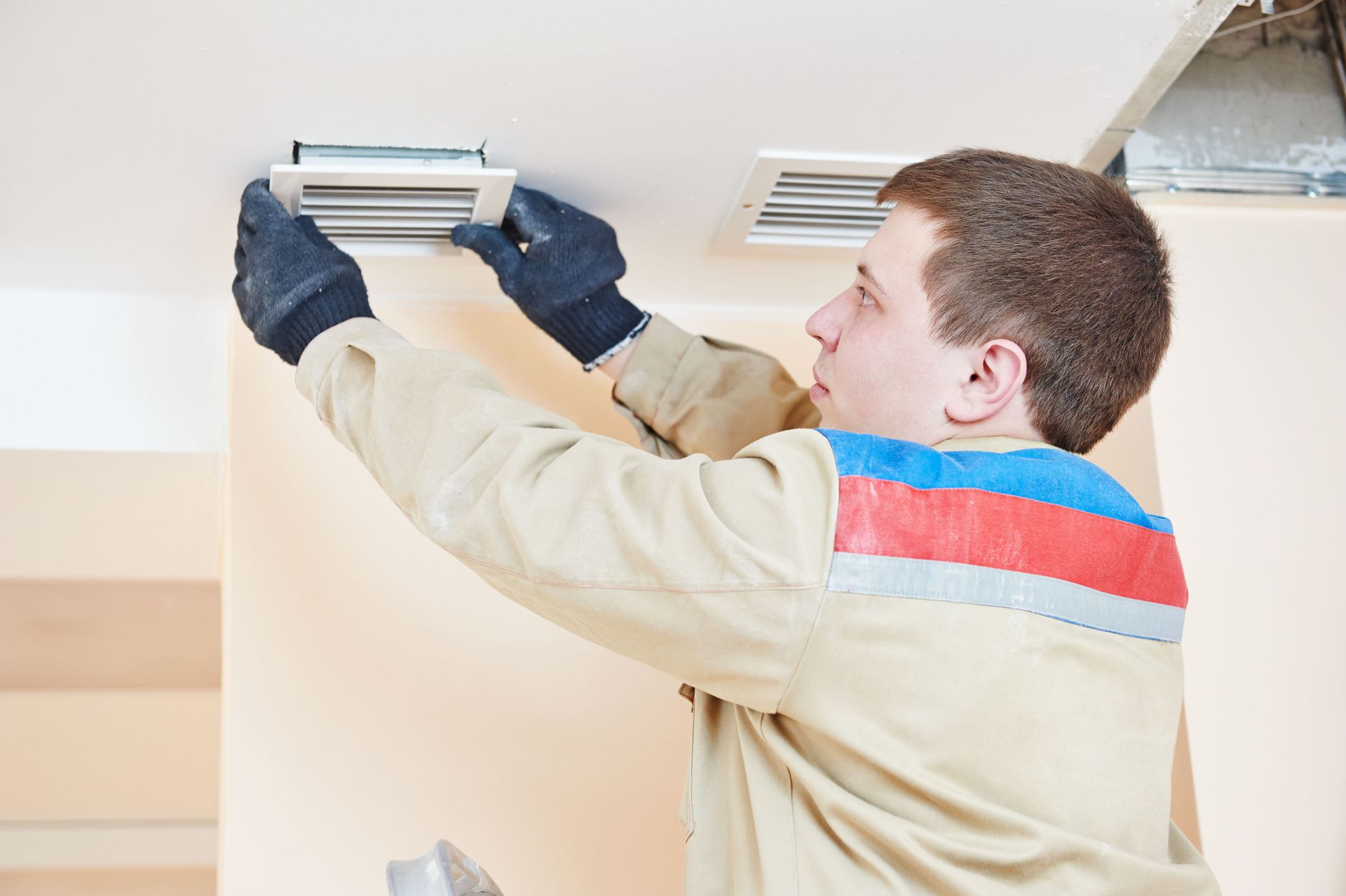
Optimizing system efficiency also requires sealing every connection point along your home's existing distribution ductwork. Professional technicians identify leaky joints, apply durable mastic sealants, and insulate exposed ducts to ensure conditioned air reaches every bedroom without losing its temperature along the way.
Navigating Local Permits and Codes
Municipal building departments enforce strict mechanical and electrical codes to protect homeowners from substandard construction practices. Local heat pump installation teams manage the entire permitting process on your behalf, scheduling required municipal inspections at proper project milestones.
Professional documentation also preserves your eligibility for local utility rebates, state energy incentives, and federal tax credits. Working with established local heat pump installation experts ensures your project fully complies with all legal requirements and local building standards.
Failing to secure proper municipal permits can result in costly fines, required retrofits, or complications when attempting to sell your property later on. Licensed contractors maintain strong working relationships with municipal inspectors, ensuring that your home upgrade proceeds smoothly without frustrating legal delays or costly administrative holds.
Navigating municipal building requirements also ensures that outdoor condenser units comply with local noise ordinances and lot boundary set-back rules. Professional installation teams position equipment thoughtfully to avoid disturbing neighbors while keeping your property fully compliant with neighborhood association rules.
Mitigating Long-Term Operational Risks
Attempting a self-directed installation or hiring uncertified handymen often leads to compromised indoor air quality, refrigerant leaks, and voided warranties. Professional technicians bring specialized recovery gear, vacuum pumps, and leak detectors to ensure the system is completely sealed and free of contaminants before final startup.
- Evacuated Lines: Installers pull deep vacuums on copper lines to remove moisture and non-condensable gases before releasing refrigerant into the circuit.
- Calibrated Airflow: Technicians measure static pressure across air filters and evaporator coils to prevent freezing and ensure quiet operation.
Establishing a relationship with trusted local heat pump installation professionals provides peace of mind through regular maintenance programs and ongoing technical support. Their expertise keeps your home comfortable, safe, and efficient through every season of the year.
Relying on experienced local heat pump installation technicians protects your household budget from unexpected mechanical breakdowns caused by poor craftsmanship.
For reliable guidance and seamless system implementation on your next home comfort project, contact the experienced team at Majic Air today.

Share On: