

Great Heating Systems to Consider for Your Home
By Debbie Myers | June 2, 2026
Selecting the right method to warm a residence is one of the most significant decisions a homeowner can face. The comfort of a living space during the coldest months depends heavily on the technology chosen to circulate warmth. As winters become more unpredictable, the importance of a reliable and efficient setup cannot be overstated. Beyond simple comfort, the choice impacts long-term utility expenses and the environmental footprint of the household. Modern innovations have provided a vast array of choices, moving far beyond the simple wood-burning stoves of the past. Today, homeowners must weigh the benefits of various fuels, delivery methods, and mechanical designs to find the perfect match for their specific architectural needs and regional climates.
Navigating these options often requires the expertise of a professional HVAC company. Such experts can assess the insulation levels, square footage, and existing ductwork of a property to recommend a system that ensures consistent temperatures without wasting energy. Whether a person is building a new structure or upgrading an aging unit, understanding the fundamental differences between popular heating technologies is the first step toward a cozy and sustainable home environment. The following exploration details several prominent systems that continue to define modern residential heating.
Comparing Forced Air Furnaces
The furnace remains a staple in many households due to its ability to rapidly increase indoor temperatures. These units typically operate by burning fuel or using electricity to heat a metal component known as a heat exchanger. Once this component reaches a high temperature, a powerful blower fan forces air over it and through a network of ducts that distribute the warmth to every room. This method is highly valued for its speed; a cold house can become comfortable in a matter of minutes. Furthermore, the same ductwork used for heating can often be utilized for central cooling, making it a versatile choice for year-round climate control.
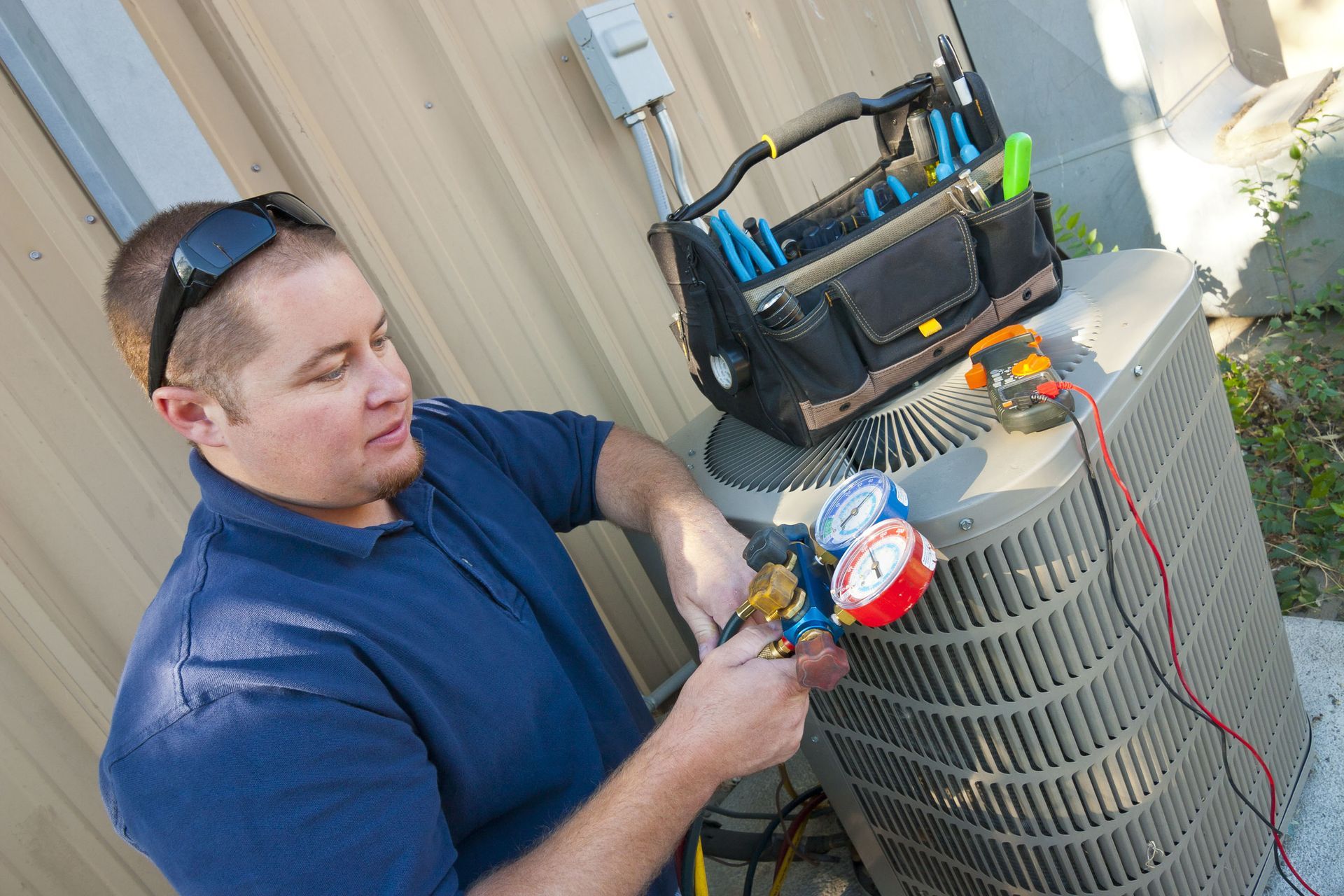
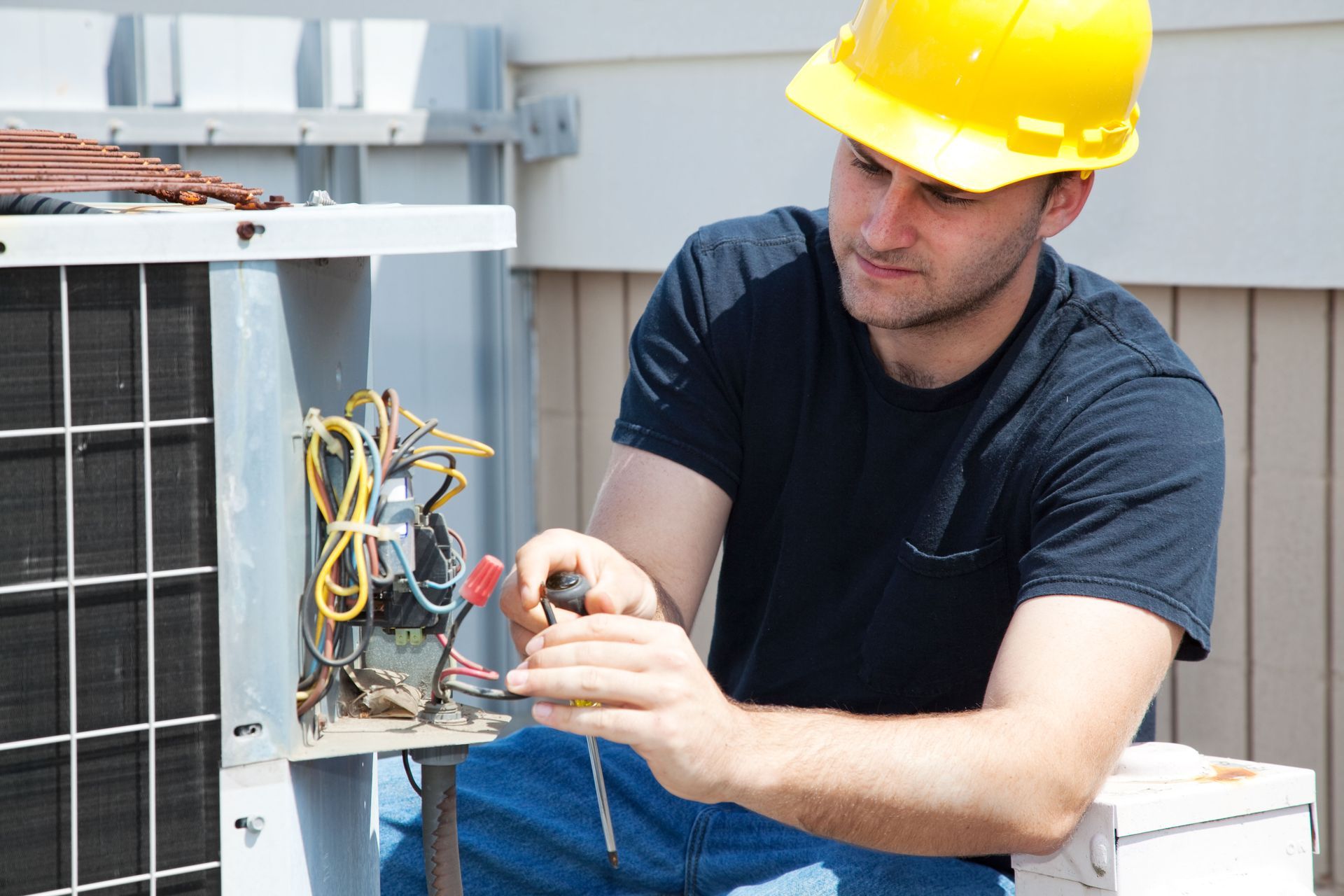
When maintaining such a system, homeowners should establish a relationship with a trusted HVAC company. Regular inspections are vital because furnaces involve combustion and moving parts that naturally wear down over time. Keeping the air filters clean and ensuring the pilot light or electronic ignition is functioning correctly prevents unexpected failures during peak winter weeks. While furnaces can be louder than other options due to the sound of moving air, their reliability and the ease of finding replacement parts make them a perennial favorite for families across various climates.
Evaluating Hydronic Boiler Systems
Boilers offer a different approach by using water or steam as the medium for heat transfer. Instead of blowing air through vents, a boiler heats water and pumps it through pipes to radiators, baseboard heaters, or underfloor tubing. This type of heating is often described as more comfortable because it does not create the drafts or dry air associated with forced-air systems. The radiant warmth stays closer to the floor where people live, rather than rising immediately to the ceiling. According to This Old House, condensing boilers that extract additional heat from exhaust gases can achieve efficiencies of up to 96%.
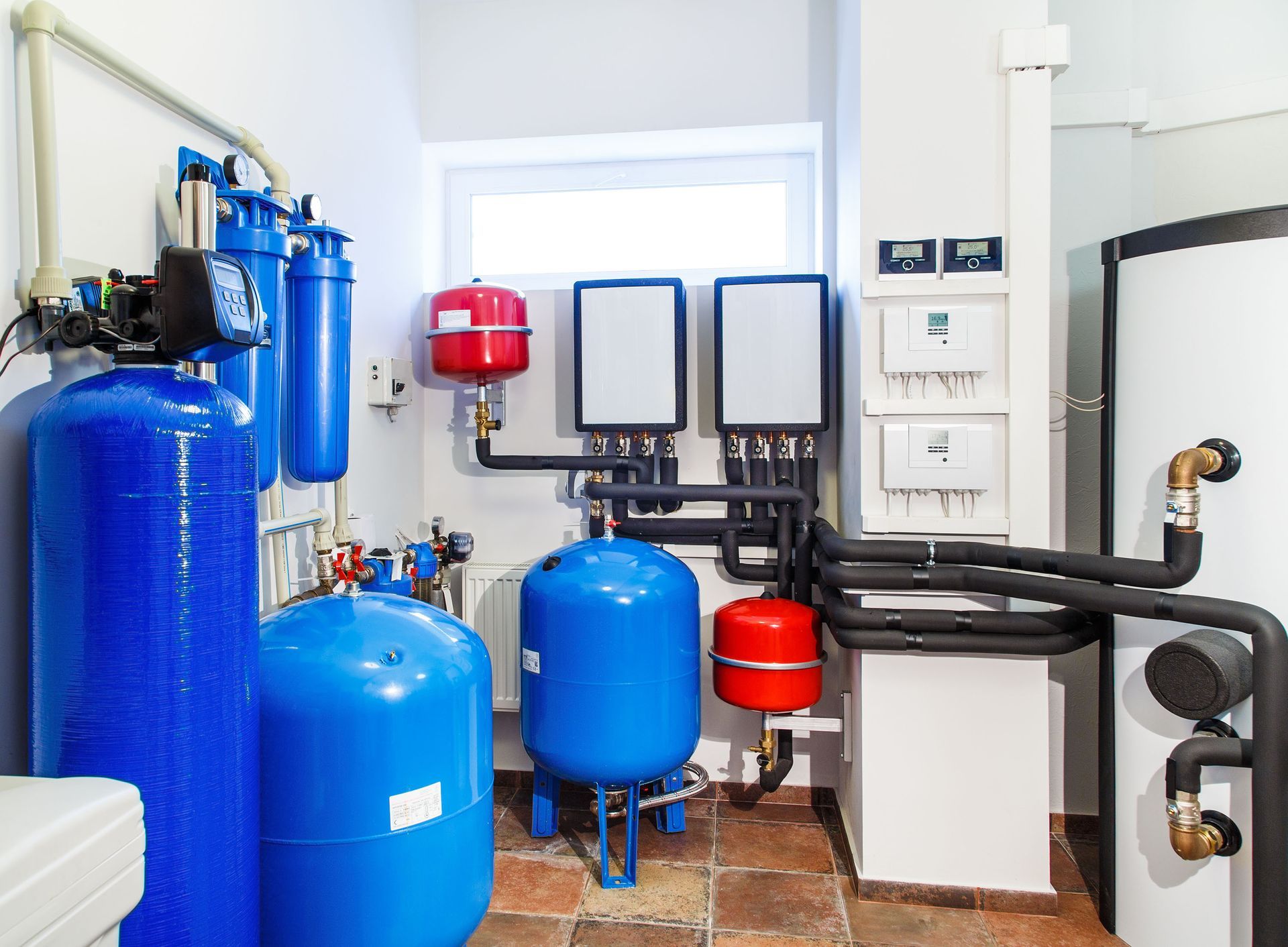
This remarkable level of efficiency is achieved by capturing thermal energy that would otherwise be lost through the chimney. For those looking to minimize their carbon footprint while maximizing warmth, these advanced boilers represent a top-tier investment. Because these systems are complex and involve pressurized water, it is essential to consult an HVAC company for installation and annual servicing. A professional can ensure that the pumps are circulating correctly and that the expansion tank is balanced, preventing leaks or uneven heating throughout the residence.
Assessing Electric Heat Pumps
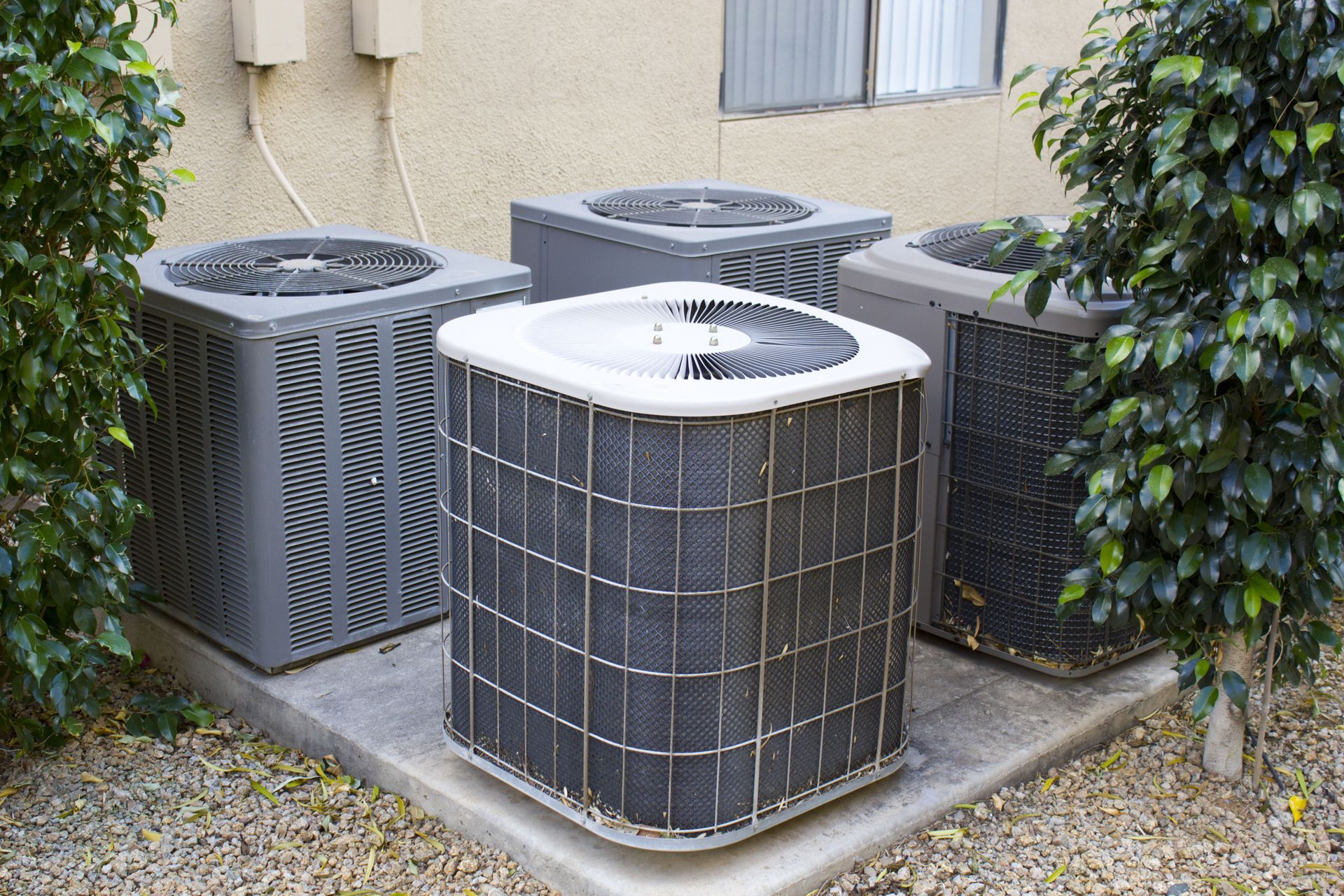
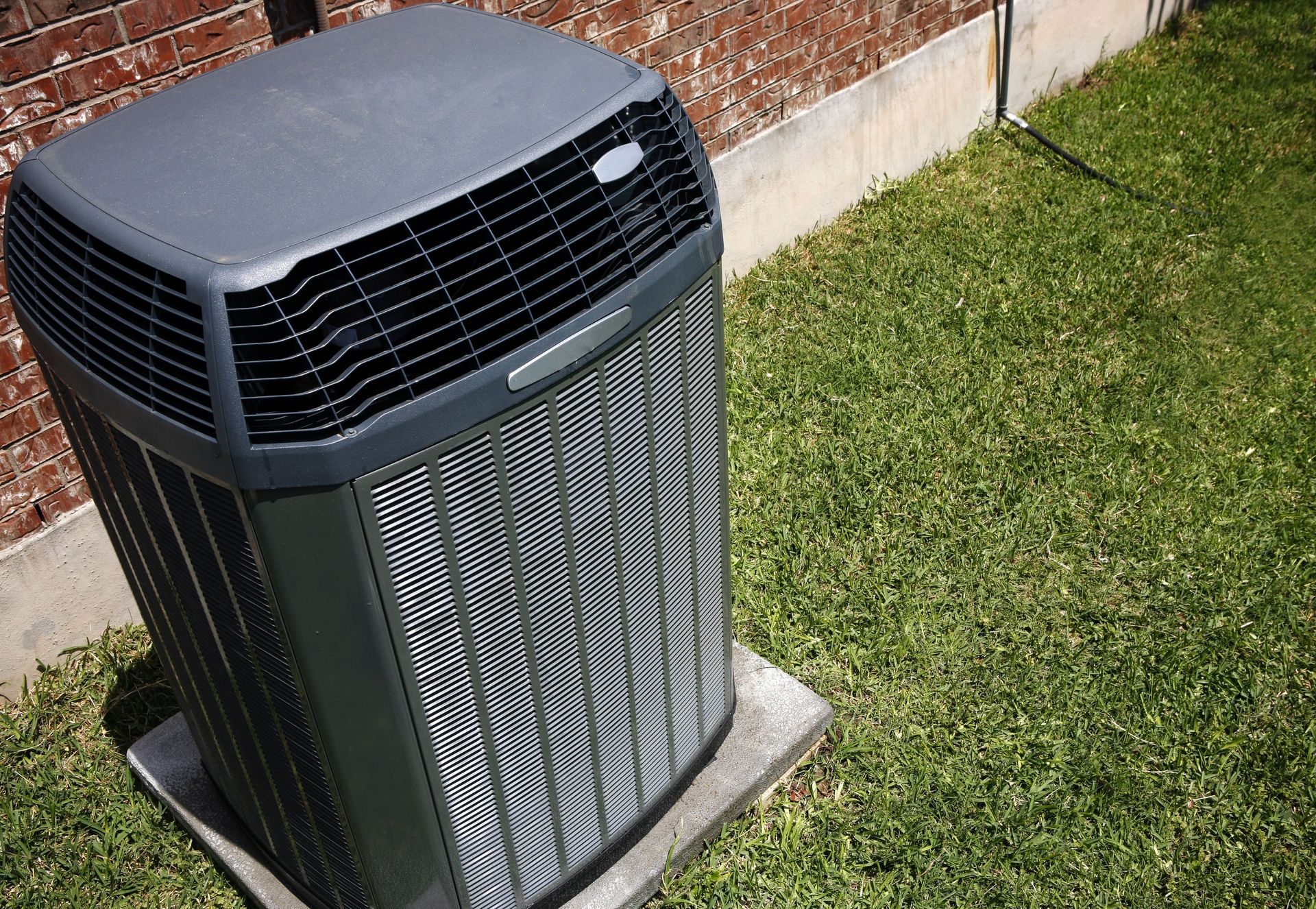
Heat pumps have gained massive popularity recently because they provide both heating and cooling in a single unit. Unlike furnaces that generate heat by burning fuel, heat pumps simply move existing heat from one place to another. During the winter, they extract thermal energy from the outdoor air—even when it feels cold—and transfer it inside. This process is incredibly efficient because it requires much less electricity than traditional electric resistance heating. Many homeowners find that heat pumps offer a more consistent and gentle warmth compared to the intense blasts of a furnace.
Understanding Radiant Floor Solutions
Radiant floor heating is often considered the pinnacle of luxury and comfort. This system involves installing electric coils or water-filled tubes directly beneath the flooring material. As the floor warms up, it radiates heat upward, warming the objects and people in the room directly. There are no blowers, no noise, and no dust being kicked up by moving air, which makes this an excellent choice for individuals with allergies. It is particularly effective in rooms with high ceilings where traditional warm air would quickly float out of reach.
The installation of radiant floors is a significant undertaking, usually best suited for new construction or major renovations. Because the heating elements are hidden under the floor, repairs can be difficult if something goes wrong. Therefore, hiring a qualified HVAC company to oversee the initial layout and pressure testing is crucial to the long-term success of the system. While the upfront cost can be higher than other methods, the incredible comfort of walking on a warm floor on a snowy morning is a benefit that many homeowners find well worth the investment.
Exploring Ductless Mini Splits
For homes that lack existing ductwork or for those adding an extension to a house, ductless mini-splits offer an ideal solution. These systems consist of an outdoor compressor linked to one or more indoor air-handling units. They are highly flexible because each indoor unit can be controlled independently, allowing for "zoning." This means you can keep the bedroom cool while the living room remains warm, leading to significant energy savings by not heating unoccupied spaces. Their small size and quiet operation make them unobtrusive additions to any room.
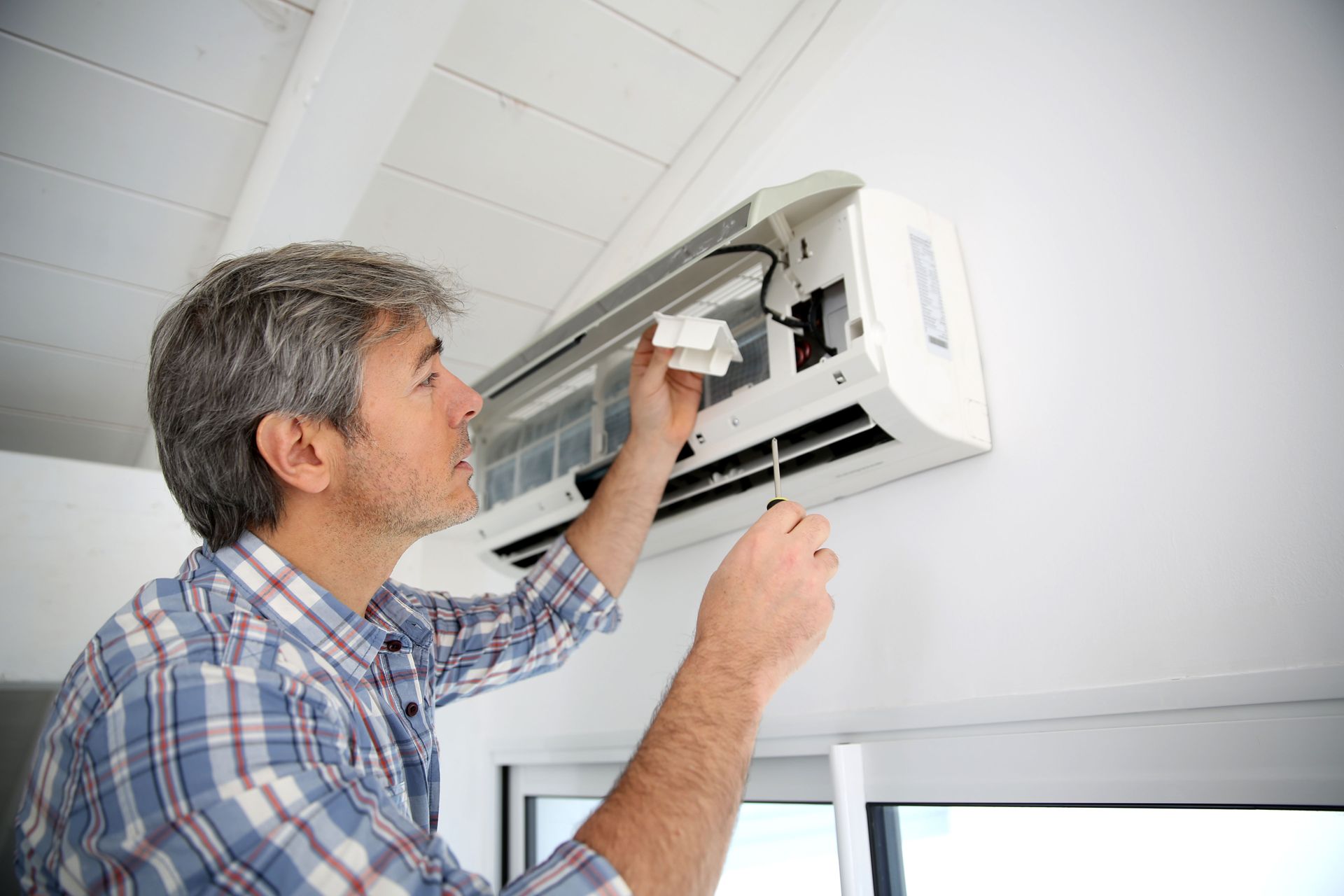
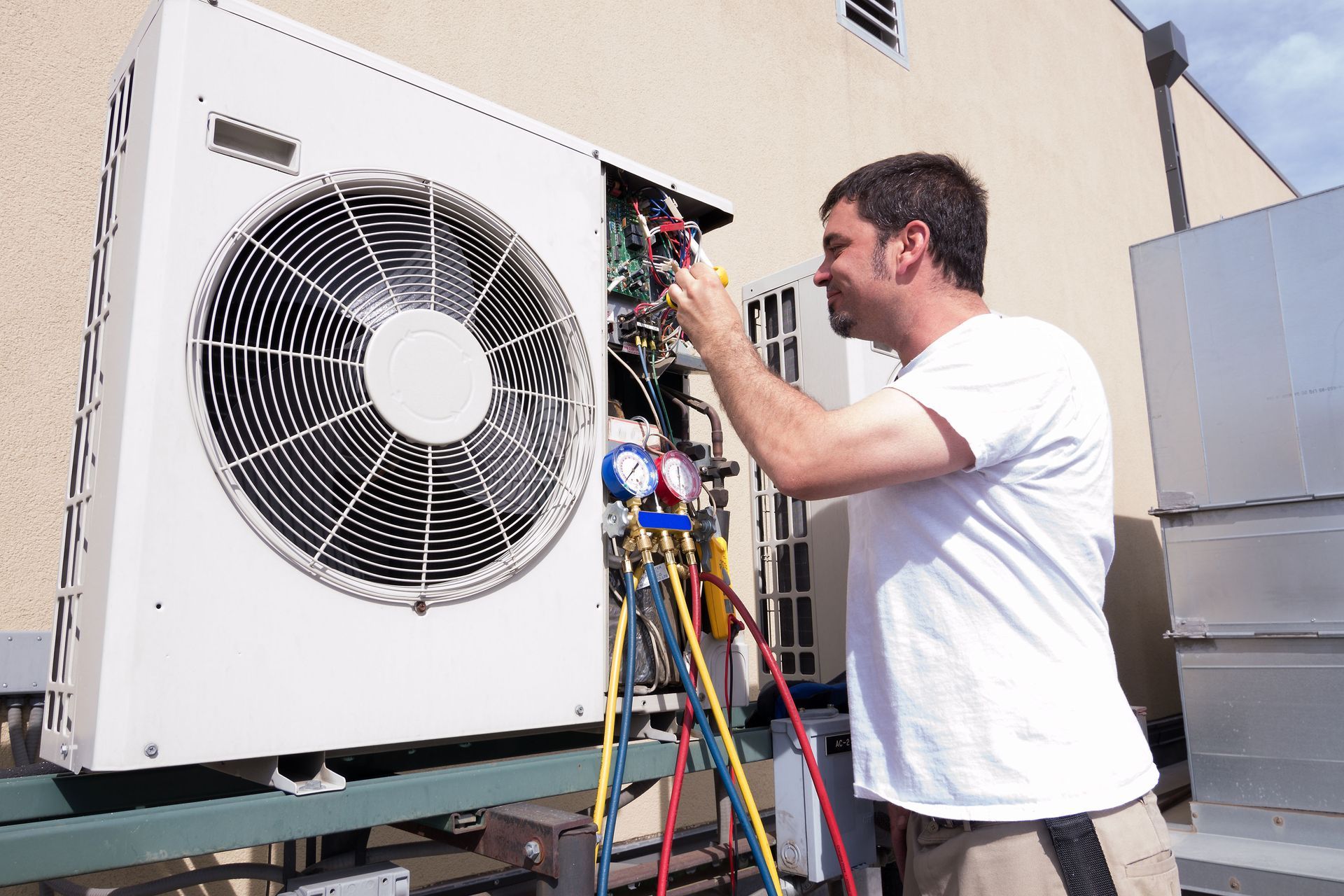
Installation of a mini-split is relatively non-invasive, requiring only a small hole through the wall for the conduit. Despite the simplicity of the physical footprint, the refrigerant lines and electrical connections must be handled by a licensed HVAC company to comply with safety regulations and maintain warranty coverage. These systems are an excellent way to bring modern climate control to historic homes without the need for destructive renovations to add bulky ducts. They represent a bridge between localized space heating and full-scale central systems.
The path to a warm and inviting home involves a careful balance of technology, budget, and personal preference. From the traditional reliability of the furnace to the whisper-quiet luxury of radiant floors, there is a solution for every type of dwelling. Investing in a high-quality system not only enhances daily life but also protects the structural integrity of the house by preventing moisture buildup and frozen pipes. By understanding the nuances of these various systems, you can make an informed choice that will serve your family for many winters to come.
At Majic Air, we believe every home deserves the perfect climate. Our team of professionals is dedicated to helping you select and maintain the heating system that best fits your lifestyle and budget. Whether you are interested in a high-efficiency boiler or a versatile heat pump, we are here to provide the expert guidance and quality service you need to stay warm and comfortable all year long.


Share On: