

What Your Business Should Know Before Hiring an HVAC Contractor
By Debbie Myers | February 3, 2026
Modern commercial buildings depend on reliable, well-designed HVAC systems to support productivity, comfort, and operational continuity. Whether you manage an office complex, healthcare facility, retail space, or industrial building, the decisions you make before a new installation or major upgrade can have long-term impacts on how your facility performs. Hiring the right HVAC contractor is not just about getting equipment on the roof or ducts in the ceiling; it is about partnering with a professional who understands how your building functions as a complete ecosystem.
Commercial HVAC projects are complex. They involve coordination with building layouts, electrical systems, controls, ventilation requirements, and energy goals. Before moving forward, business owners and facility managers should understand what truly matters in a professional HVAC installation and what questions to ask during the planning phase. The following guide walks through the most important considerations to help you make an informed, confident decision.
Understanding Commercial HVAC Systems
Commercial HVAC systems differ significantly from residential setups in scale, complexity, and usage patterns. Office buildings, warehouses, and mixed-use facilities experience varying occupancy levels, heat loads, and ventilation demands throughout the day. These variables must be considered from the very beginning of any HVAC installation project.
A knowledgeable HVAC contractor will take the time to evaluate how your building is used, not just its square footage. Factors such as employee density, equipment heat output, ceiling heights, and operating hours all influence system selection and design. A system that works well for a call center may not be appropriate for a medical office or light manufacturing space.
This level of analysis ensures the HVAC system can handle both peak demand and everyday operation efficiently, without sacrificing comfort in different zones of the building.
Planning for Unit Types and Building Layouts
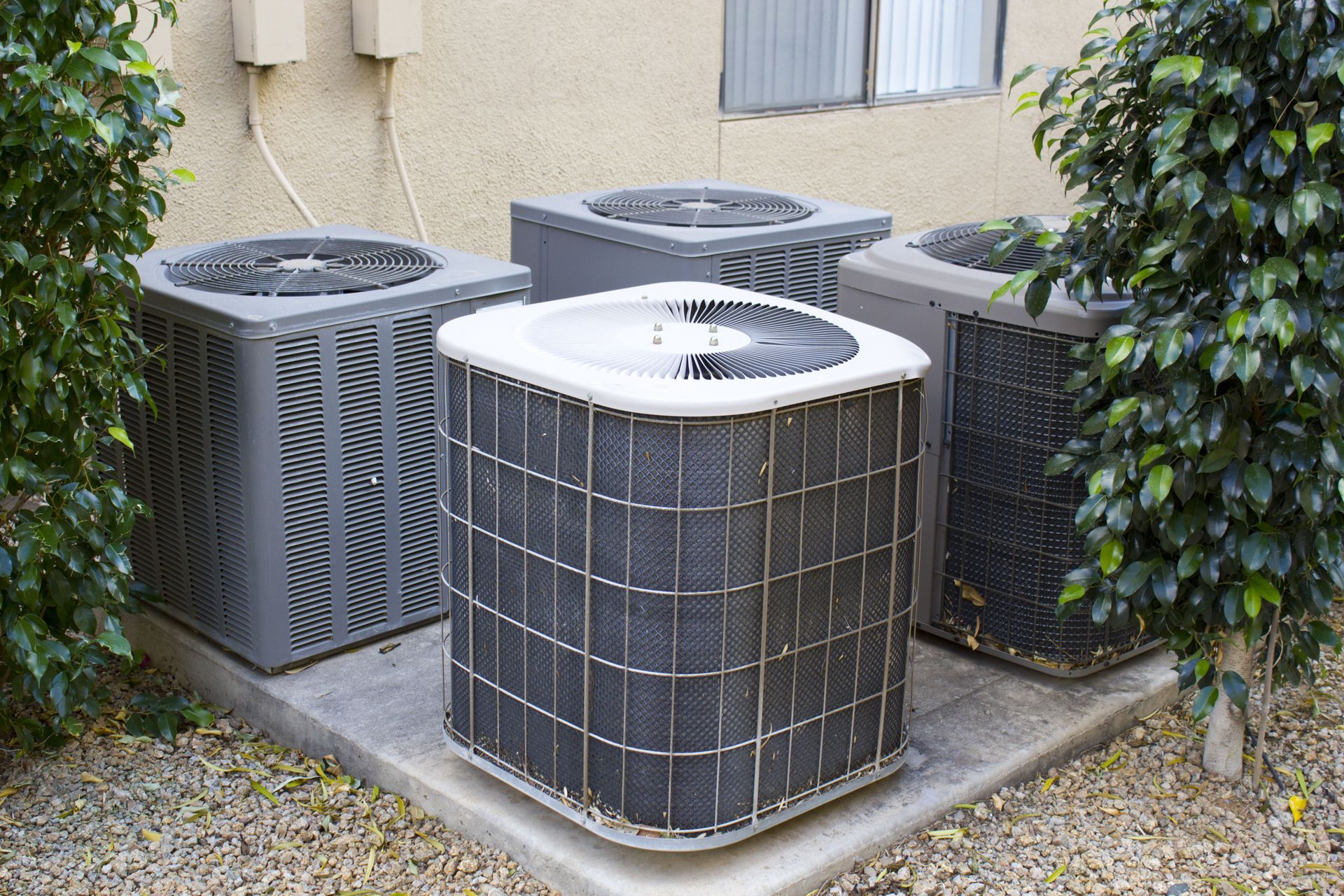
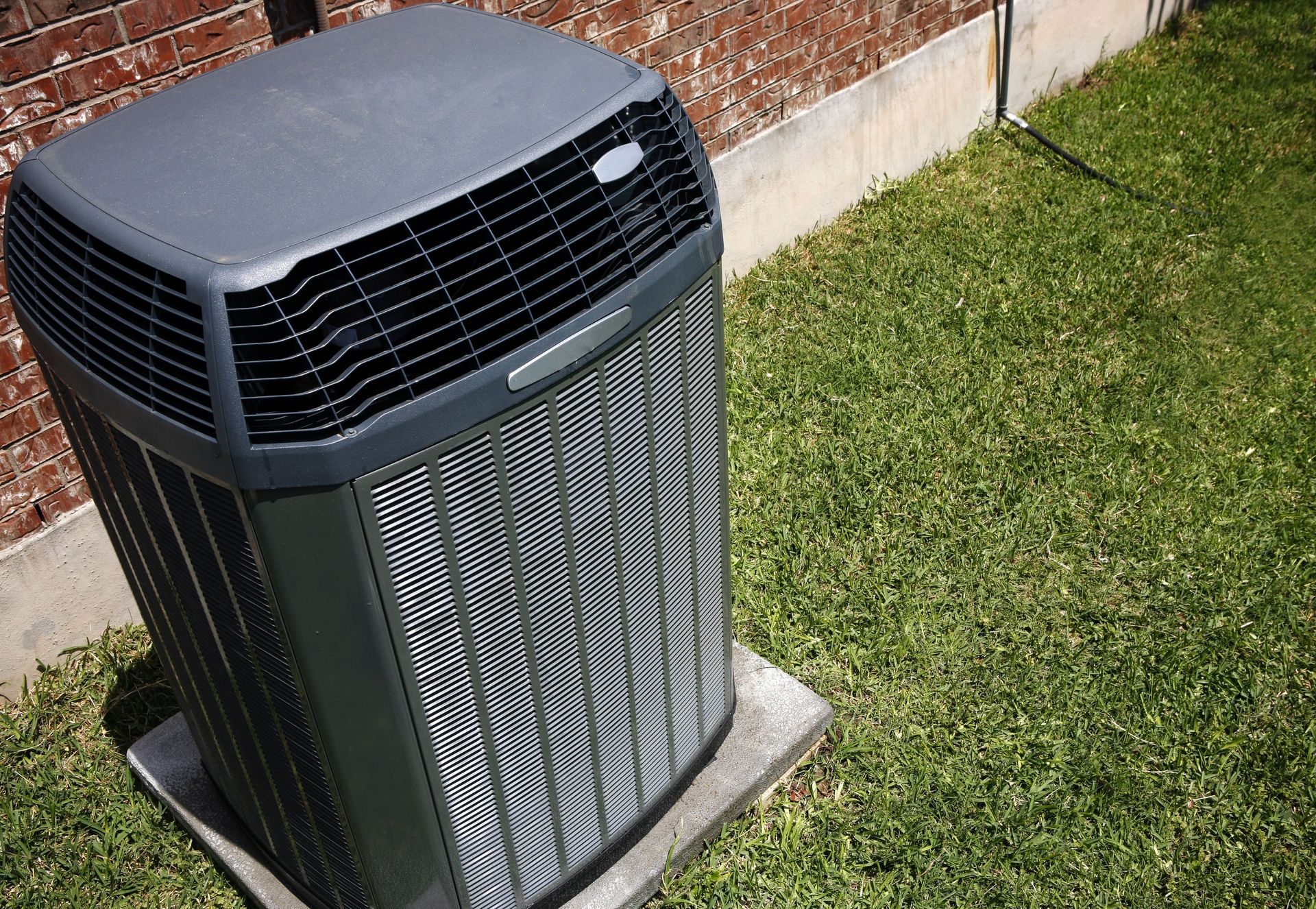
Rooftop units (RTUs) are among the most common HVAC solutions for commercial properties. They combine heating, cooling, and ventilation into a single package installed on the roof, helping preserve interior space and simplify maintenance access.
However, not all RTUs are created equal, and their effectiveness depends heavily on proper sizing and placement. A qualified HVAC contractor will assess structural capacity, roof access, weather exposure, and airflow distribution before recommending rooftop units. Improper planning can lead to uneven temperatures, excessive strain on equipment, or difficulties with future servicing.
In larger buildings, multiple RTUs may be required to serve different zones. Coordinating these units with ductwork, controls, and building automation systems is essential for maintaining consistent indoor conditions across the entire facility.
Many modern commercial buildings rely on Variable Air Volume (VAV) systems to manage diverse comfort needs efficiently. VAV systems adjust the amount of conditioned air delivered to each zone based on demand, making them well suited for zoned office layouts and buildings with fluctuating occupancy.
For example, conference rooms, private offices, and open workspaces often require different airflow levels at different times of day. A well-designed VAV system can respond dynamically, improving comfort while reducing unnecessary energy use.
An experienced HVAC contractor understands how to integrate VAV boxes, sensors, and controls into a cohesive system. They will also coordinate zoning strategies with architectural plans, ensuring that walls, partitions, and ceiling layouts align with airflow design rather than working against it.
Assessing Indoor Air Quality and Ventilation
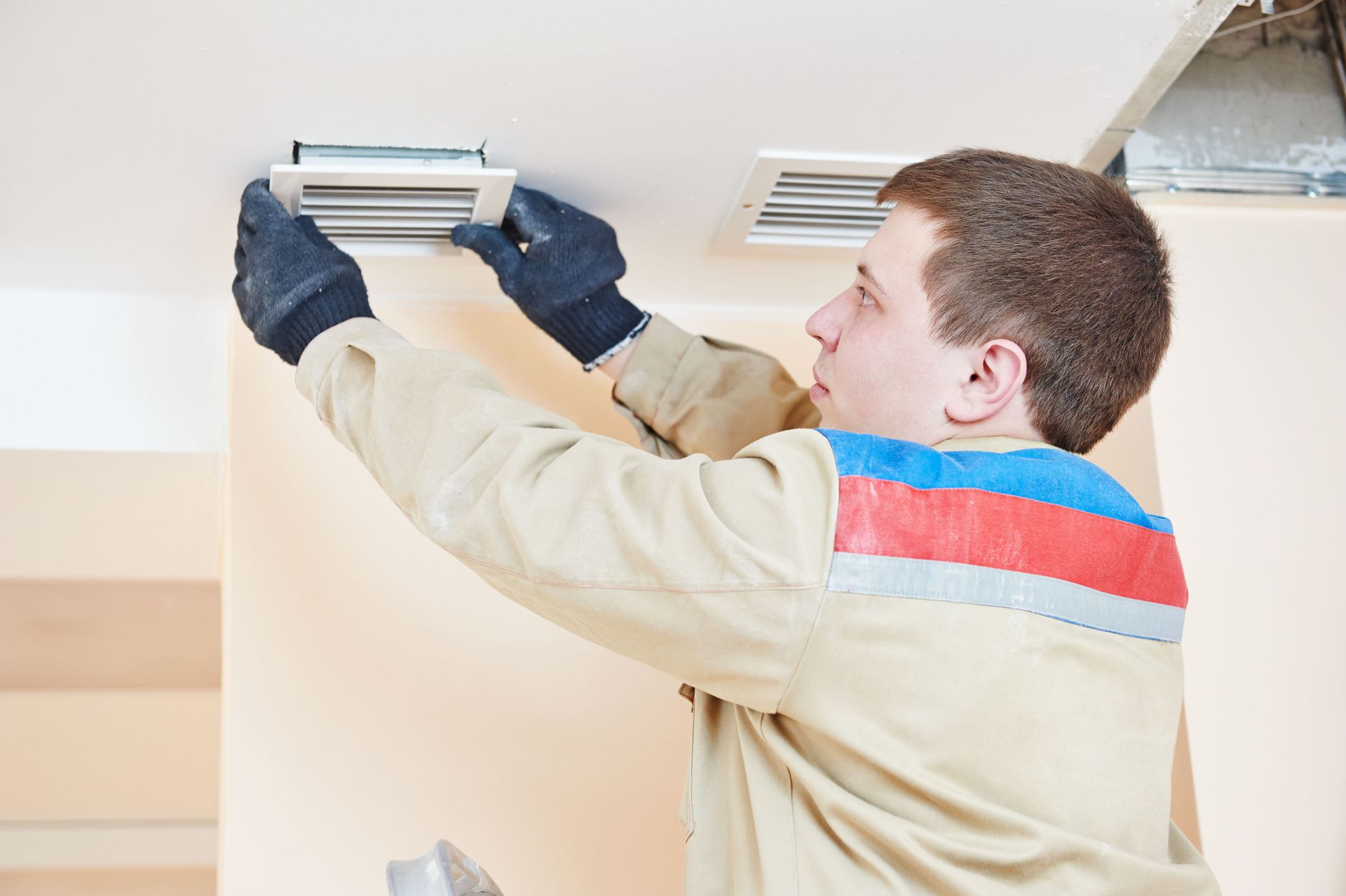
Indoor air quality is a critical concern for commercial facilities, particularly in today's work environments. Proper ventilation removes contaminants, controls humidity, and supports occupant health. Exhaust fans play a vital role in this process, especially in restrooms, break rooms, kitchens, and industrial areas.
Commercial HVAC installations must comply with ventilation standards while also accounting for the specific activities taking place within the building. An experienced HVAC contractor will evaluate where exhaust systems are required and how they interact with the overall HVAC design.
Balanced airflow is essential. Exhausting air without adequate makeup air can create pressure imbalances that affect doors, comfort, and system performance. Professional planning ensures that ventilation and exhaust fans work seamlessly with heating and cooling equipment rather than disrupting it.
Prioritizing Your Company's Efficiency and Safety
Energy performance is no longer just a sustainability issue; it is a core operational concern for businesses of all sizes. HVAC systems represent one of the largest contributors to energy use in commercial buildings. According to the U.S. General Services Administration, 39% of a facility's energy consumption is from HVAC systems.
Because of this, energy efficiency should be addressed at every stage of the HVAC installation process. Equipment selection, system design, controls, and commissioning all influence how much energy the system uses over its lifespan.
A knowledgeable HVAC contractor will prioritize high-efficiency equipment, proper system sizing, and intelligent airflow strategies. Just as importantly, they will ensure that the system is installed and calibrated correctly, since even the most efficient equipment can underperform if improperly implemented.
Commercial HVAC systems must meet a variety of regulatory and safety requirements. These may include building codes, ventilation standards, energy guidelines, and workplace safety regulations.
Beyond compliance, thorough documentation is essential for ongoing operations. System drawings, control sequences, and equipment specifications help facility teams understand how the system is intended to function.
An experienced HVAC contractor will provide clear documentation and ensure that installations are inspected and tested according to applicable standards. This attention to detail protects your business and simplifies future modifications or expansions.
Planning for Future Growth and Flexibility
Businesses evolve, and buildings often change in function over time. A space that starts as traditional offices may later incorporate collaborative work areas, additional equipment, or expanded staff.
HVAC systems should be designed with flexibility in mind. Modular components, adaptable zoning, and scalable controls allow systems to evolve without requiring complete replacement.
Working with an HVAC contractor who considers future needs during the design phase can save significant disruption later. Thoughtful planning ensures that the HVAC system can adapt as your business grows and changes.
Even the best HVAC design depends on proper installation and commissioning. Duct sealing, sensor placement, airflow balancing, and control programming all influence real-world performance.
Commissioning verifies that the system operates as intended under actual conditions. It involves testing, adjusting, and validating each component to ensure comfort, efficiency, and reliability.
A detail-oriented HVAC contractor will treat commissioning as an essential step, not an afterthought. This process helps identify potential issues early and ensures that your business starts benefiting from the system immediately.
Building a Long-Term Partnership
Hiring an HVAC professional is not just a one-time transaction. Commercial systems require ongoing attention to maintain performance and adapt to changing needs.
Choosing a contractor who views the relationship as a long-term partnership can make a meaningful difference. Clear communication, system familiarity, and proactive support contribute to smoother operations over time.
When your HVAC provider understands your building and business goals, they are better positioned to support reliability, comfort, and efficiency year after year.
Before hiring an HVAC contractor, businesses should take time to understand their building's requirements, future plans, and operational priorities. From rooftop units and VAV systems to exhaust fans and smart technology, every component plays a role in the overall performance of the facility.
By focusing on expertise, system integration, energy efficiency, and quality installation, you set the foundation for a successful HVAC project that supports both people and operations. If your business is looking for excellent HVAC services, reach out to Majic Air today.

Share On: